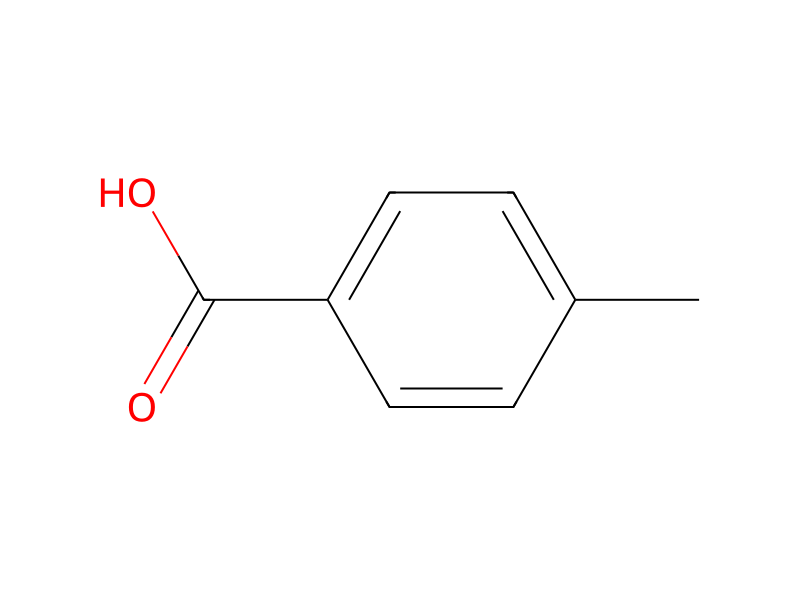
A THF solution (50 mL) of diisopropylamine (12.6 mL) was cooled to 0° C., and a hexane (33 mL) solution of 2.6 M n-butyllithium was added thereto and stirred at that temperature for 10 minutes. Then this was cooled to −78° C., and a THF solution (15 mL) of 4-methylbenzenecarboxylic acid (2.3 g) was dropwise added thereto. The reaction liquid was stirred at −40° C. for 2.5 hours, and then a THF solution (4 mL) of methyl picolinate (2.0 g) was dropwise added thereto. The reaction solution was heated up to room temperature, and stirred for one day. Next, water was added to the reaction liquid, then controlled to have a pH of 4 with aqueous hydrochloric acid solution added thereto, and then extracted with ethyl acetate. The organic layer was dried with anhydrous sodium sulfate, concentrated under reduced pressure, and the resulting residue was purified through silica gel column chromatography (hexane/ethyl acetate=4/1) to obtain the entitled compound (400 mg).