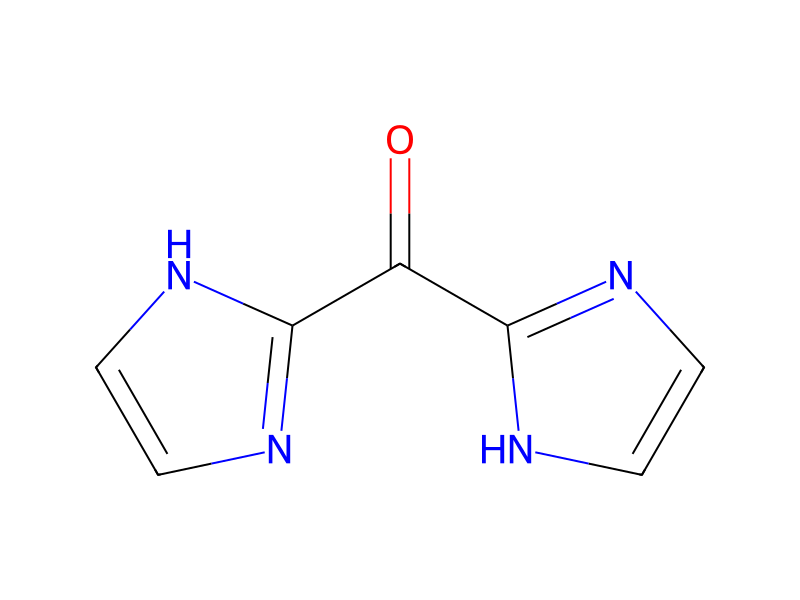
[O:1]=[C:2]1[N:6]([CH2:7][C:8]2[CH:13]=[CH:12][CH:11]=[CH:10][CH:9]=2)[CH2:5][CH:4]([C:14]([O:16]C)=O)[CH2:3]1.C(C1NC=CN=1)(C1NC=CN=1)=O.Cl.[F:31][C:32]([F:36])([F:35])[CH2:33][NH2:34].N12CCCN=C1CCCCC2>O1CCCC1>[O:1]=[C:2]1[N:6]([CH2:7][C:8]2[CH:9]=[CH:10][CH:11]=[CH:12][CH:13]=2)[CH2:5][CH:4]([C:14]([NH:34][CH2:33][C:32]([F:36])([F:35])[F:31])=[O:16])[CH2:3]1A mixture of 21.9 g (0.10 mole) methyl 5-oxo-1-(phenylmethyl)-3-pyrrolidinecarboxylate in 150 ml tetrahydrofuran, was cooled to 0° C. in an ice bath under nitrogen and 24.3 g (0.15 mole) carbonyl diimidazole was added. The reaction was stirred at 0° C. for 30 minutes, then at room temperature for 30 minutes. A solution of 13.6 g (0.10 mole) of 2,2,2-trifluoroethylamine hydrochloride, 15.2 g (0.10 mole) 1,8-diazabicyclo[5.4.0]undec-7-ene and 100 ml tetrahydrofuran was added. The reaction was stirred at room temperature overnight. The solvent was removed at reduced pressure. The residue was taken up in dichloromethane and washed 3×150 ml saturated sodium bicarbonate. The organic layer was dried over magnesium sulfate and the solvent removed under reduced pressure. The product was purified by column chromatography on silica with ethyl acetate to give 8.50 g of 5-oxo-1-(phenylmethyl)-N-(2,2,2-trifluoroethyl)-3-pyrrolidinecarboxamide, mp 110-112° C.