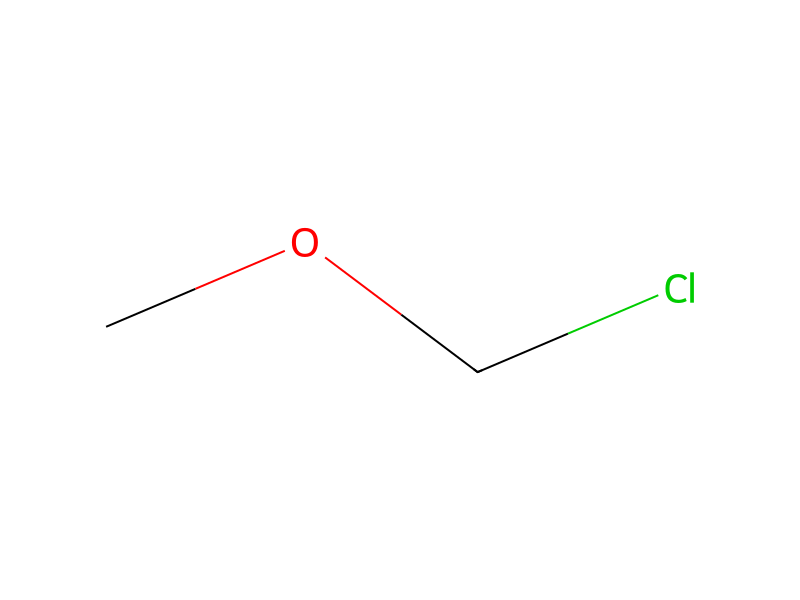
[N+:1]([C:4]1[C:13]2[C:8](=[CH:9][CH:10]=[CH:11][CH:12]=2)[CH:7]=[CH:6][C:5]=1[CH2:14][CH2:15][CH2:16][CH2:17][CH2:18][CH2:19][C:20]([OH:22])=[O:21])([O-])=O.C(N(CC)CC)C.[CH3:30][O:31][CH2:32]Cl>CN(C=O)C.C(=O)([O-])O.[Na+]>[NH2:1][C:4]1[C:13]2[C:8](=[CH:9][CH:10]=[CH:11][CH:12]=2)[CH:7]=[CH:6][C:5]=1[CH2:14][CH2:15][CH2:16][CH2:17][CH2:18][CH2:19][C:20]([O:22][CH2:30][O:31][CH3:32])=[O:21]7-(1-Nitro-2-naphthyl)heptanoic acid (2 g) and triethylamine (2.02 g) were dissolved in DMF (10 ml) followed by addition of chloromethyl methyl ether (0.802 g), and the mixture was stirred at room temperature for 20 hours. This reaction mixture was diluted with cold saturated aqueous sodium hydrogen carbonate solution and extracted with ethyl acetate. The organic layer was washed with water, dried, and concentrated to dryness. Using the residue, 10% palladium-on-carbon (0.23 g), and ethanol (23 ml), a catalytic hydrogenation reaction was carried out at atmospheric temperature and pressure for 18 hours. The catalyst was then filtered off and the filtrate was concentrated under reduced pressure to provide methoxymethyl 7-(1-amino-2-naphthyl)heptanoate (2.1 g).