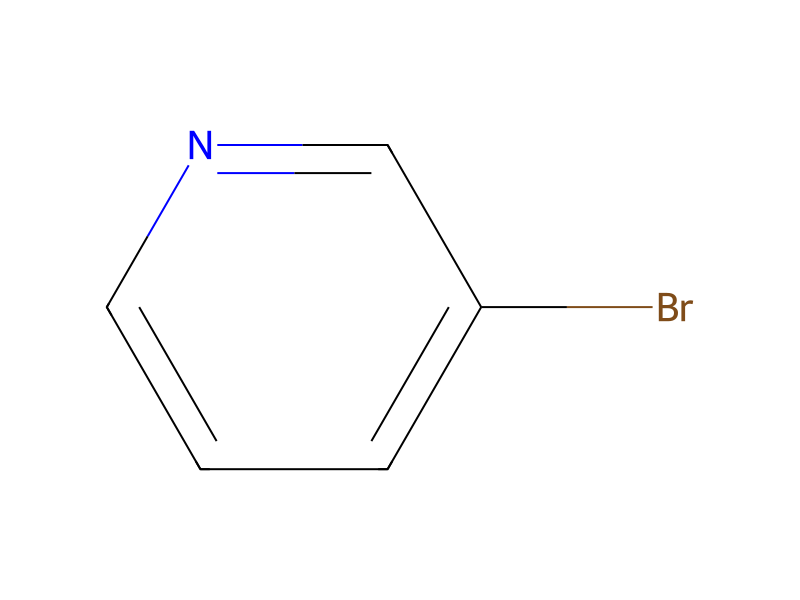
CC1(C)C(C)(C)OB([C:9]2[CH2:10][CH2:11][N:12]([C:15]([O:17][C:18]([CH3:21])([CH3:20])[CH3:19])=[O:16])[CH2:13][CH:14]=2)O1.Br[C:24]1[CH:25]=[N:26][CH:27]=[CH:28][CH:29]=1.C([O-])([O-])=O.[K+].[K+]>CN(C=O)C>[N:26]1[CH:27]=[CH:28][CH:29]=[C:24]([C:9]2[CH2:10][CH2:11][N:12]([C:15]([O:17][C:18]([CH3:19])([CH3:20])[CH3:21])=[O:16])[CH2:13][CH:14]=2)[CH:25]=1tert-Butyl 4-(4,4,5,5-tetramethyl-1,3,2-dioxaborolan-2-yl)-3,6-dihydropyridine-1(2H)-carboxylate (400 mg) and 3-bromopyridine (226 mg) were dissolved in DMF (4 ml), and K2CO3 (536 mg) and a 1,1′-bis(diphenylphosphino)ferrocene-palladium(II) dichloride-dichloromethane complex were added, followed by stirring at 80° C. overnight. The reaction mixture was concentrated under reduced pressure, and then a saturated aqueous sodium hydrogen carbonate solution was added thereto, followed by extraction with CHCl3. The organic layer was dried over Na2SO4 and the solvent was concentrated under reduced pressure. The obtained residue was purified by silica gel column chromatography (CHCl3/MeOH) to obtain tert-butyl 3′,6′-dihydro-3,4′-bipyridine-1′(2′H)-carboxylate (249 mg).