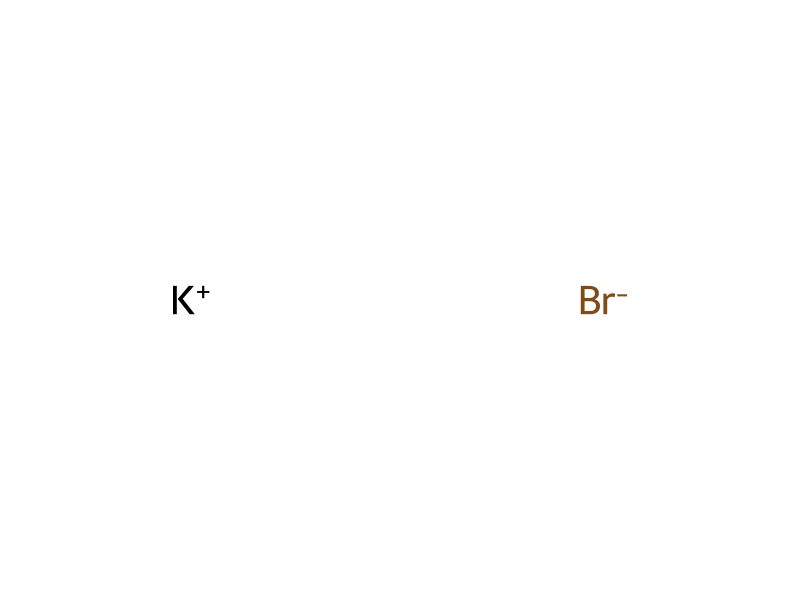
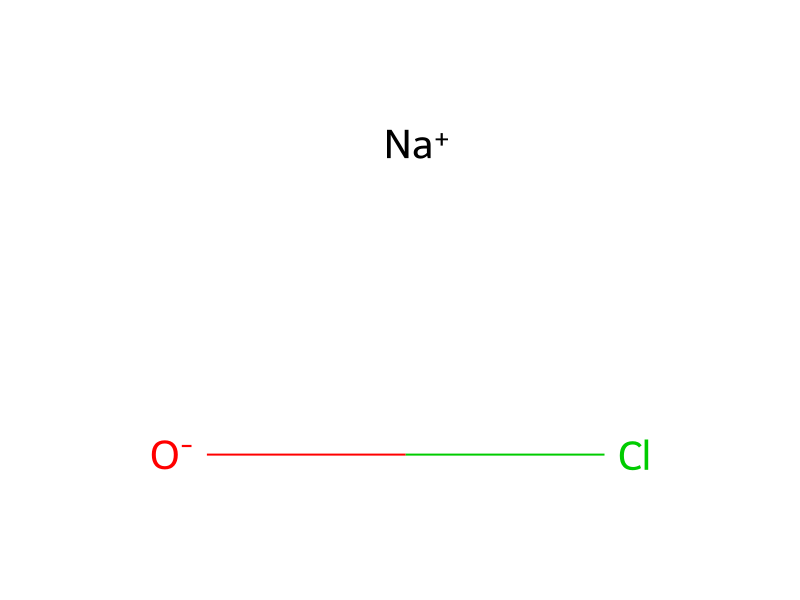
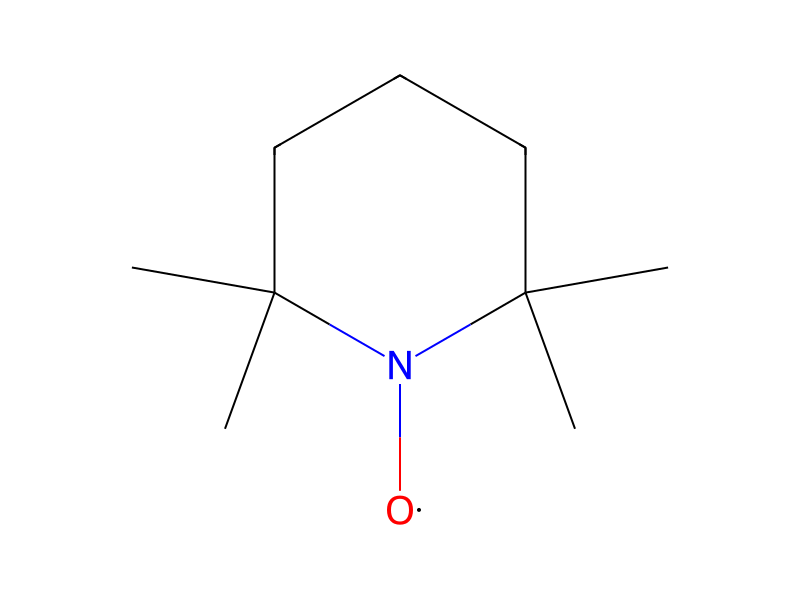
[CH3:1][O:2][C:3]1[N:8]=[CH:7][C:6]([C:9]2[CH:14]=[CH:13][C:12]([CH2:15][CH2:16][C:17](O)=[O:18])=[CH:11][CH:10]=2)=[CH:5][CH:4]=1.[Br-].[K+].Cl[O-].[Na+].C(=O)(O)[O-].[Na+]>ClCCl.CC1(C)N([O])C(C)(C)CCC1>[CH3:1][O:2][C:3]1[N:8]=[CH:7][C:6]([C:9]2[CH:14]=[CH:13][C:12]([CH2:15][CH2:16][CH:17]=[O:18])=[CH:11][CH:10]=2)=[CH:5][CH:4]=1To a stirred solution of the compound obtained from step d above (9.0 g) in dichloromethane (90 ml), 2,2,6,6-tetramethylpiperidine N-oxyl (58.77 mg) and potassium bromide (447.57 mg) were added at 0° C. under nitrogen atmosphere. A 4% aqueous sodium hypochlorite (3.497 g) was added at pH 8-9 (maintained by adding saturated aqueous sodium bicarbonate solution). The reaction was stirred for 20 minutes at 0° C. Then, the organic layer was separated and the aqueous layer was extracted with dichloromethane. The combined organic layers were washed with saturated aqueous sodium bicarbonate solution, water, and brine. Finally, the organic layers were dried over anhydrous sodium sulfate and concentrated under reduced pressure to afford the title compound (8.1 g) which was used as such in the next step.