Propylamine → n-Propyl-1,2,3,4-tetrahydronaphthalen-2-amine
HRID 2415224
Reaction equation

[CH2:1]1[C:10]2[C:5](=[CH:6][CH:7]=[CH:8][CH:9]=2)[CH2:4][CH2:3][C:2]1=O.[CH2:12]([NH2:15])[CH2:13][CH3:14].C(O[BH-](OC(=O)C)OC(=O)C)(=O)C.[Na+]>ClCCCl>[CH2:12]([NH:15][CH:2]1[CH2:3][CH2:4][C:5]2[C:10](=[CH:9][CH:8]=[CH:7][CH:6]=2)[CH2:1]1)[CH2:13][CH3:14]Participants
5
Reactant 3
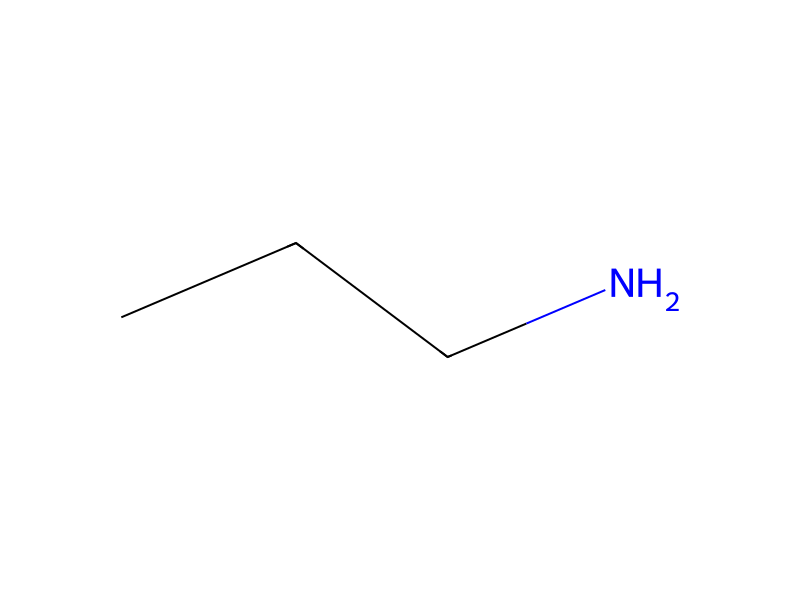


Product 1

Reagents, catalysts & solvents 1

Procedure
To a solution of 3,4-dihydro-1-H-naphthalen-2-one (5 g, 34 mmol) in 1,2-dichloroethane (250 mL), propyl amine (2.8 mL, 34 mmol) was added, followed by addition of sodium triacetoxyborohydride (22 g, 102 mmol). The reaction was stirred at ambient temperature under nitrogen for 24 hours, at which time it was concentrated in vacuo. The remaining solid was partitioned between 1M sodium hydroxide and ethyl acetate. The ethyl acetate was washed with brine, dried over magnesium sulfate, and filtered. The filtrate was acidified with 1 M HCl in ether and 6.3 g of propyl-(1,2,3,4-tetrahydro-naphthalen-2-yl)-amine was collected as a pale pink precipitate.