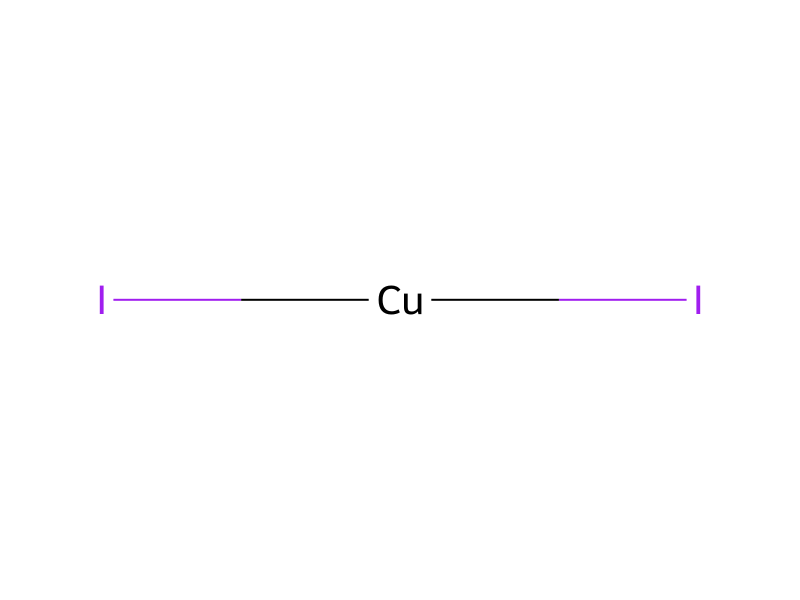
A suspension of 0.43 g of 5-chloro-3-ethynylpyridin-2-ylamine, 0.6 g of 3-iodo-5,6-dimethoxy-1-methyl-1H-indole (example 103-f), and 0.072 g of copper iodide, in a mixture of 60 ml of triethylamine and 30 ml of dimethylformamide, is degassed with argon for 15 minutes. 0.066 g of bis(triphenylphosphine)palladium(II) chloride is added to the above suspension. The mixture is agitated at around 20° C. for approximately 6 hours; 0.075 g of 5-chloro-3-ethynylpyridin-2-ylamine is added and the mixture is agitated at this same temperature for 2 days. The mixture is concentrated to dryness under reduced pressure (13 kPa). The residue is taken up with 100 ml of water and extracted with three times 100 ml of dichloromethane. The organic phases are combined, dried over magnesium sulfate, filtered, and concentrated under reduced pressure (13 kPa). The residue is purified by flash chromatography on a silica column [eluent: cyclohexane/ethyl acetate (50/50 by volume)]. 0.44 g of 5-chloro-3-(5,6-dimethoxy-1-methyl-1H-indol-3-ylethynyl)pyridin-2-ylamine is thus obtained in the form of a solid, the characteristics of which are as follows: