Reaction equation

[N:1]1([CH:6]=[O:7])[CH2:5][CH2:4][CH2:3][CH2:2]1.[Cl:8][C:9]1[CH:10]=[C:11]([CH:15]=[C:16]([Cl:18])[N:17]=1)C(O)=O.[Li+].CC([N-]C(C)C)C.[CH:27](OCC)=[O:28]>C1COCC1>[Cl:18][C:16]1[C:15]([CH:27]=[O:28])=[C:11]([C:6]([N:1]2[CH2:5][CH2:4][CH2:3][CH2:2]2)=[O:7])[CH:10]=[C:9]([Cl:8])[N:17]=1Participants
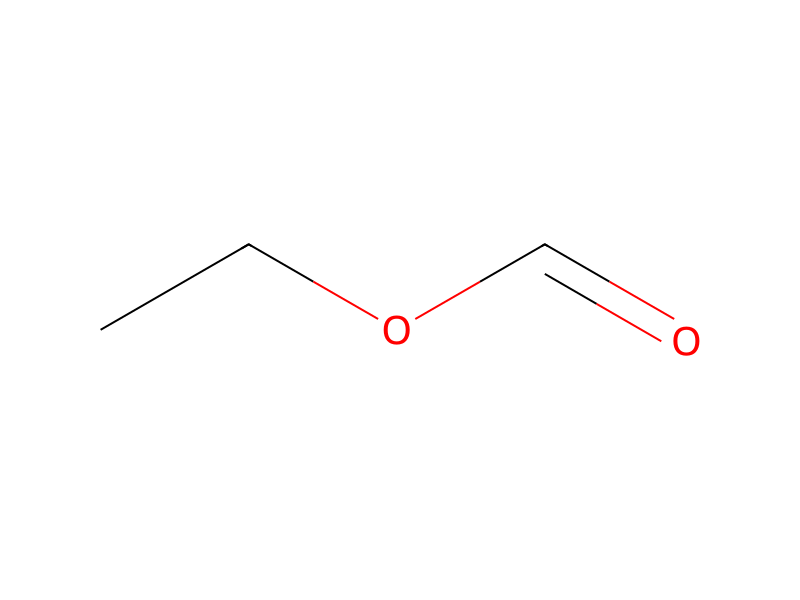



Conditions
- Temperature
- -78 °C
Procedure
To a solution of 2,6-dichloro-pyridin-4-yl)-pyrrolidin-1-yl-methanone (2.0 g, 8.2 mmol, prepared from commercially available 2,6-dichloro-isonicotinic acid) in THF (50 mL) is added slowly LDA (4 mL, 2M in heptane/THF/ethylbenzene), maintaining an internal temperature below −65° C. The solution is stirred at −78° C. for 1 hour, then treated dropwise ethyl formate (640 mg, 8.6 mmol), again maintaining an internal temperature below −65° C. The resulting mixture is gradually warmed to room temperature and stirred overnight. The mixture is quenched with saturated NH4Cl, extracted with ether and the combined extracts are washed with brine, dried over sodium sulfate and concentrated to give crude 2,6-dichloro-4-(pyrrolidine-1-carbonyl)-pyridine-3-carbaldehyde, which is used directly for the next step.
Workup
- temperaturemaintaining an internal temperature below −65° C
- temperatureagain maintaining an internal temperature below −65° C
- temperatureThe resulting mixture is gradually warmed to room temperature
- stirringstirred overnight
- customThe mixture is quenched with saturated NH4Cl
- extractionextracted with ether
- washthe combined extracts are washed with brine
- dry with materialdried over sodium sulfate
- concentrationconcentrated
Sources & evidence
- ORD record
- ord-ab08aba5d4564124a395abc09f3f602e
- Source dataset
- uspto-grants-2011_01
- Patent number
- US07863454B2
Linked notes
Loading…