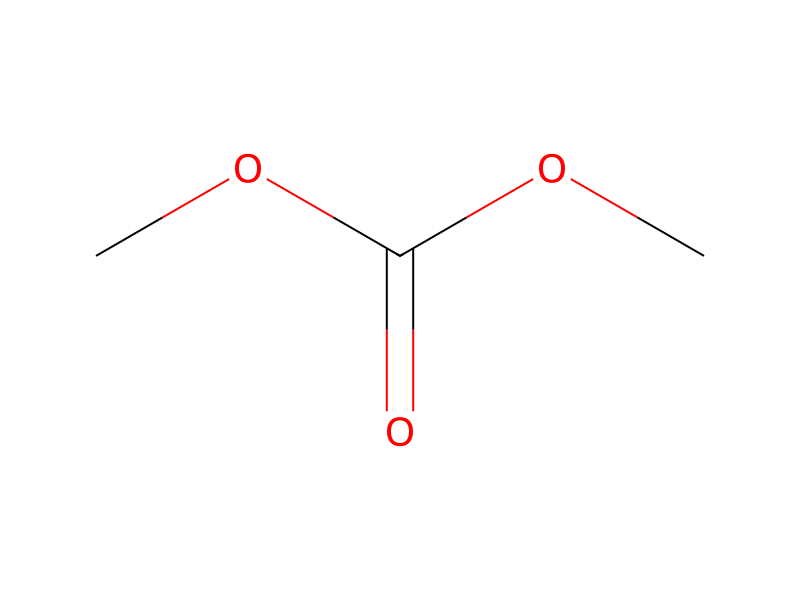
At 40° C. a solution of 4-bromophenylacetic acid methyl ester (52 g) in THF (100 mL) is carefully added over a period of 40 min to a suspension of NaH (15.6 g) in dry THF (450 mL). Stirring is continued for 70 min without heating and the temperature drops to 27° C. The evolution of gas has stopped before dimethylcarbonate (76.42 mL) is added dropwise while the temperature of the mixture is maintained at 29-31° C. Stirring is continued for 22 h at rt. The mixture is cooled to −10° C. and then carefully neutralized to pH 6-7 with aq. HCl before bulk of the THF is removed in vacuo. The residue is dissolved in EA (700 mL), washed three times with 1 N aq. HCl and once with brine, dried over MgSO4. Most of the EA is evaporated before hexane is added. The product crystallizes over night at 4° C. The crystals are collected, washed with hexane and dried to give 2-(4-bromophenyl)-malonic acid dimethyl ester (45.9 g) as pale yellow crystals. 1H-NMR(D6-DMSO): 3.66 (s, 6H), 5.07 (s, 1H), 7.30-7.34 (m, 2H), 7.55-7.59 (m, 2H).