Reaction equation
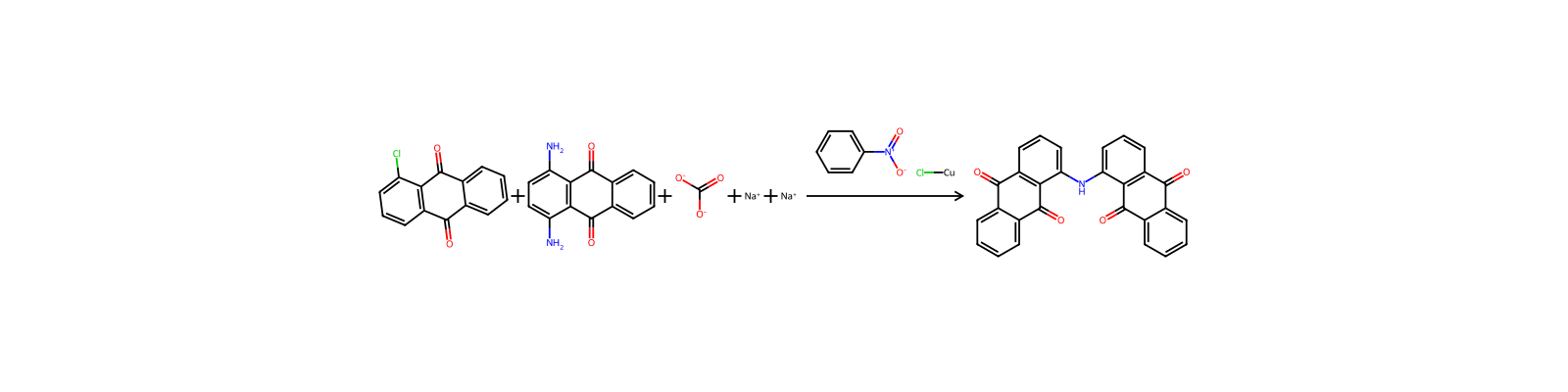
Cl[C:2]1[C:15]2[C:14](=[O:16])[C:13]3[C:8](=[CH:9][CH:10]=[CH:11][CH:12]=3)[C:7](=[O:17])[C:6]=2[CH:5]=[CH:4][CH:3]=1.[NH2:18][C:19]1[C:32]2[C:31](=[O:33])[C:30]3[C:25](=[CH:26][CH:27]=[CH:28][CH:29]=3)[C:24](=[O:34])[C:23]=2[C:22](N)=[CH:21][CH:20]=1.C(=O)([O-])[O-].[Na+].[Na+]>[N+](C1C=CC=CC=1)([O-])=O.Cl[Cu]>[CH:10]1[CH:9]=[C:8]2[C:7]([C:6]3[CH:5]=[CH:4][CH:3]=[C:2]([NH:18][C:19]4[C:32]5[C:31]([C:30]6[C:25]([C:24](=[O:34])[C:23]=5[CH:22]=[CH:21][CH:20]=4)=[CH:26][CH:27]=[CH:28][CH:29]=6)=[O:33])[C:15]=3[C:14](=[O:16])[C:13]2=[CH:12][CH:11]=1)=[O:17]Participants
6
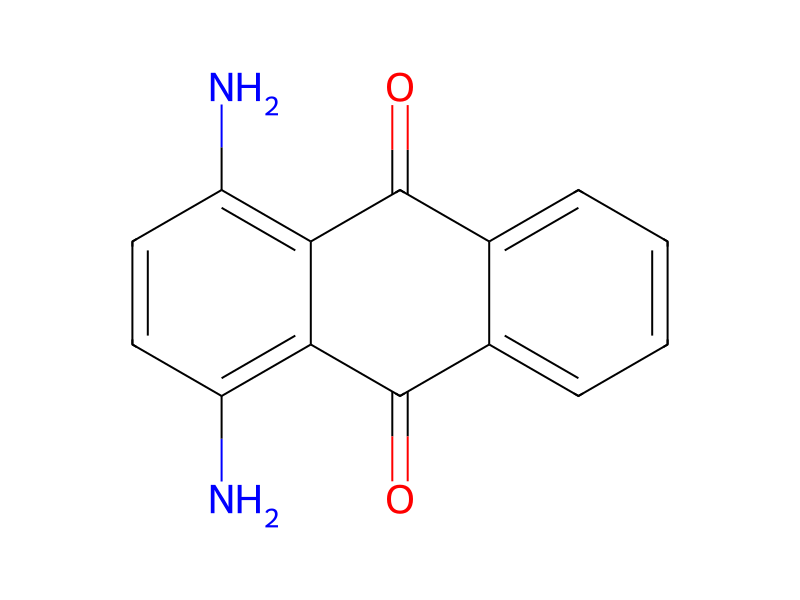
Reactant 3


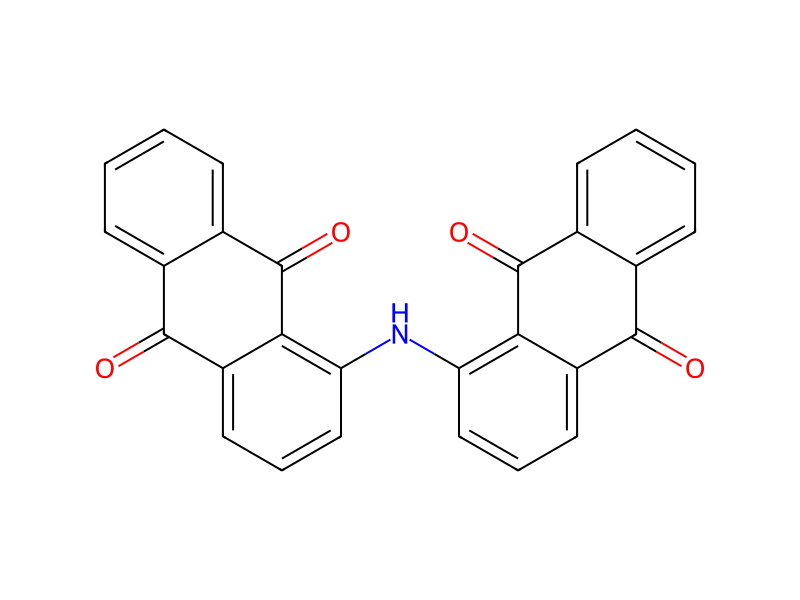
Product 1
Reagents, catalysts & solvents 2


Procedure
Following the procedure as descrilbed in Example 1, but suspending the 1-chloroanthraquinone, 1,4-diaminoanthraquinone, sodium carbonate and CuCl in 300 ml of nitrobenzene, the anthrimide is obtained in a yield corresponding to that of Example 1. When following a conventional procedure, i.e. mixing the components and heating them slowly, if such a concentrated reaction mixture is employed, the reaction can no longer be carried out in an agitator vessel.
Sources & evidence
- ORD record
- ord-a3d0b1a6bb41422fb40fef4e3f3f4b93
- Source dataset
- uspto-grants-1987_10
- Patent number
- US04701281
Linked notes
Loading…