Reaction equation

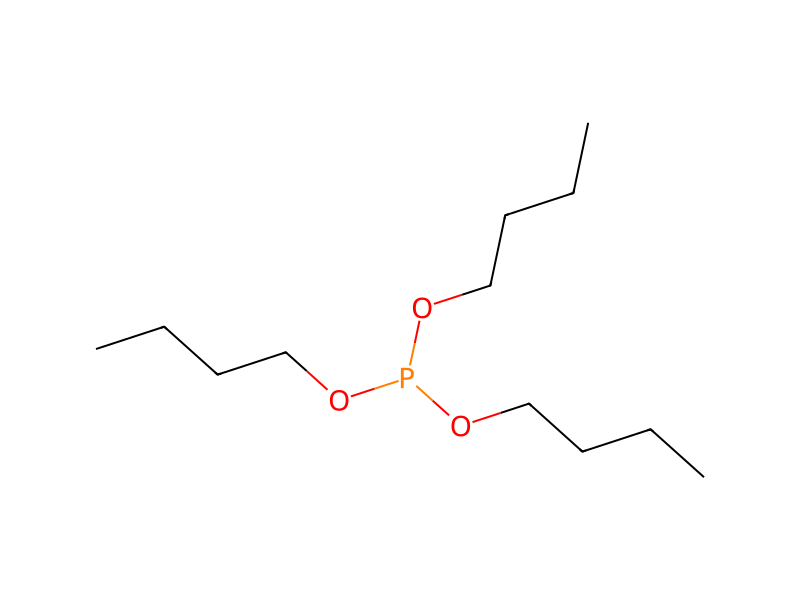
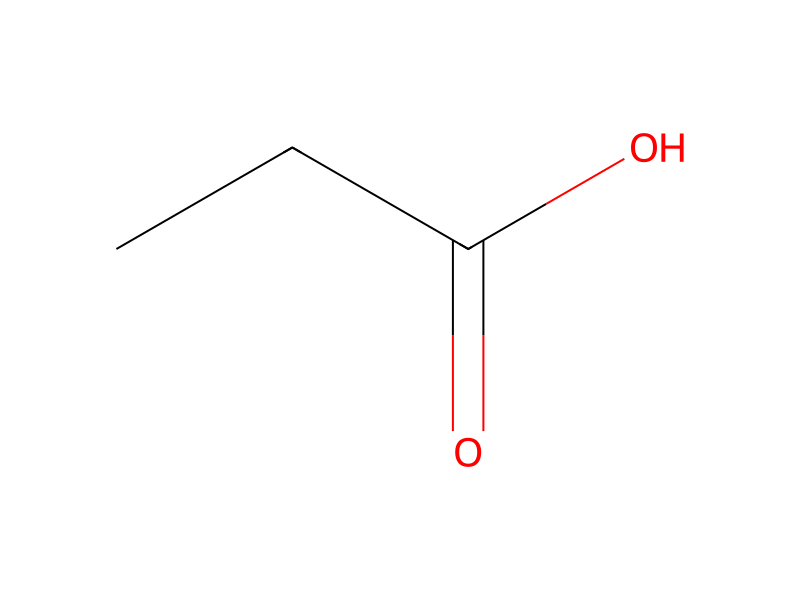
[P].C(P(=O)([CH2:7][CH3:8])CC)C.C1(P(=O)([C:23]2[CH:28]=[CH:27]C=CC=2)C2C=CC=CC=2)C=CC=CC=1.C(P(=O)(CCCC)CCCC)CCC.P(OCC)(OCC)O[CH2:46]C.P(OCCCC)(OCCCC)OCCCC.P(OC1C=CC=CC=1)(OC1C=CC=CC=1)OC1C=CC=CC=1.[C:92]([OH:95])(=[O:94])C>O>[C:92]([OH:95])(=[O:94])[CH2:7][CH3:8].[C:92]([OH:95])(=[O:94])[C:28]([CH3:27])([CH3:23])[CH3:46]Participants
11
Reactant 8







Product 2

Reagents, catalysts & solvents 1

Procedure
For the purpose of improving catalytic activity, regio and enantio selectivities, various additives other than water may be added to the reaction system. For example, presence of phosphorus compounds, e.g., triethylphosphine oxide, triphenylphosphine oxide, tributylphosphine oxide, triethyl phosphite, tributyl phosphite, and triphenyl phosphite; or carboxylic acids, e.g., acetic acid, propionic acid and pivalic acid, in the reaction system gives rise to no interference with the reaction.
Workup
- additionmay be added to the reaction system
Sources & evidence
- ORD record
- ord-031fc845957442cea12fa81f62ac114d
- Source dataset
- uspto-grants-1996_06
- Patent number
- US05530150
Linked notes
Loading…