Reaction equation

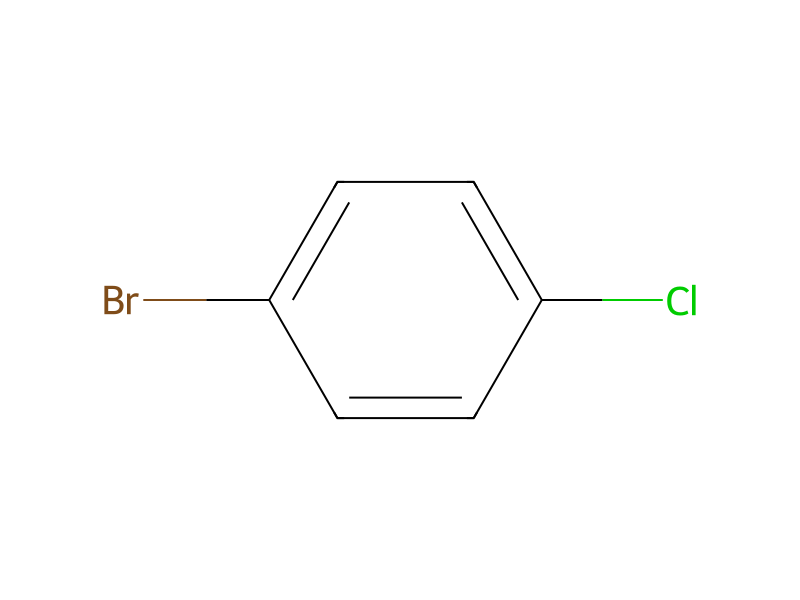
[C:1]([C:9]1[NH:10][CH:11]=[CH:12][N:13]=1)(=[O:8])[C:2]1[CH:7]=[CH:6][CH:5]=[CH:4][CH:3]=1.[Mg].Br[C:16]1[CH:21]=[CH:20][C:19]([Cl:22])=[CH:18][CH:17]=1.Cl.N>O1CCCC1>[Cl:22][C:19]1[CH:20]=[CH:21][C:16]([C:1]([C:2]2[CH:3]=[CH:4][CH:5]=[CH:6][CH:7]=2)([C:9]2[NH:13][CH:12]=[CH:11][N:10]=2)[OH:8])=[CH:17][CH:18]=1Participants
7






Procedure
A solution of 17.2 g. of 2-benzoylimidazole (A. Sonn and P. Greif, Ber. 66 (1933), 1900) in 100 ml. of anhydrous tetrahydrofuran was added drop-wise to a Grignard reagent prepared from 5.8 g. of magnesium and 45.9 g. of 1-bromo-4-chlorobenzene in 150 ml. of anhydrous tetrahydrofuran. The reaction mixture was boiled under reflux for half an hour, cooled and poured onto a mixture of ice and hydrochloric acid. The solution was neutralized with concentrated ammonia solution and extracted with tetrahydrofuran. The organic solvents layer was dried and concentrated; the residue was crystallised from isopropyl alcohol. Melting point of the product was 162°-165° C.
Workup
- customprepared from 5.8 g
- temperatureunder reflux for half an hour
- temperaturecooled
- extractionextracted with tetrahydrofuran
- customThe organic solvents layer was dried
- concentrationconcentrated
- customthe residue was crystallised from isopropyl alcohol
- customwas 162°-165° C.
Sources & evidence
- ORD record
- ord-71eb54f9480e4b70b1eebfd720c4d52a
- Source dataset
- uspto-grants-1979_05
- Patent number
- US04152441
Linked notes
Loading…