Reaction equation

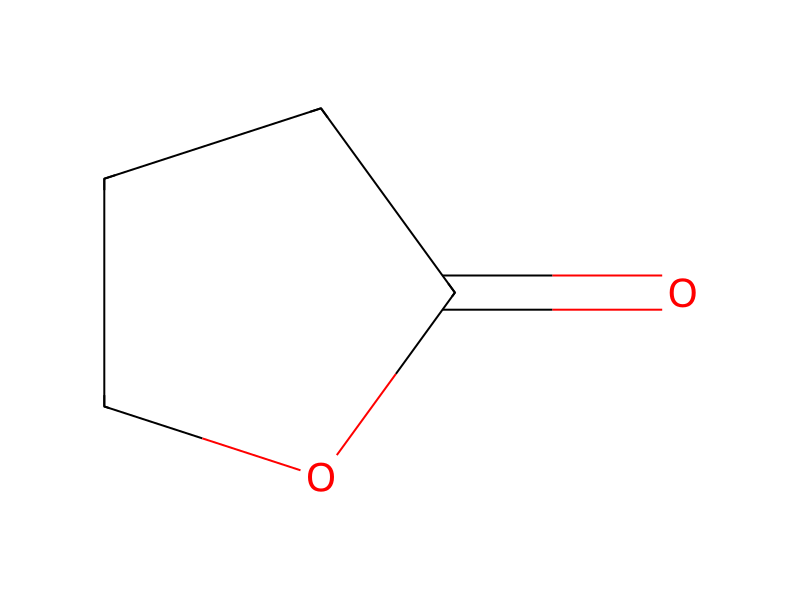
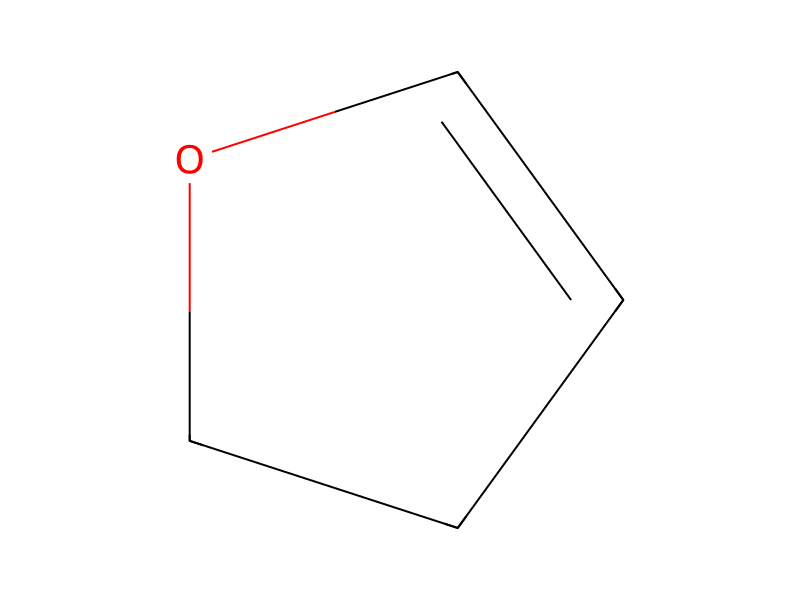
[O:1]1[CH2:5][CH:4]=[CH:3][CH2:2]1.[OH2:6].[O:7]1[CH2:11][CH2:10][CH2:9][CH2:8]1>[Cr]([O-])([O-])=O.[Cu+2].C(O)CCC>[C:5]1(=[O:7])[O:1][CH2:2][CH2:3][CH2:4]1.[O:7]1[CH:8]=[CH:9][CH2:10][CH2:11]1.[O:1]1[CH:5]=[CH:4][CH:3]=[CH:2]1.[OH:6][CH2:5][CH2:4][CH2:3][CH:2]=[O:1]Participants
9







Procedure
In a manner similar to that described in Example 1, 16 mL/h of 2,5-dihydrofuran and 30 mL/h of water were passed at 230° C. over 253 g of the commercially available copper chromite catalyst marketed by Suedchemie, Munich and bearing the connotation G 22 (composition according to sales brochure: 37% of Cu; 46% of Cr2O3 ; 13% of BaO; reduction in a manner similar to that described in Example 1). At a conversion of 71%, γ-butyrolactone was formed with a selectivity of 67% (2,3-dihydrofuran: 8%; furan: 3%; tetrahydrofuran: 2%; n-butanol: 1%; 4-hydroxybutyraldehyde: 0.5%; remainder: various non-analyzed low-boiling fractions).
Sources & evidence
- ORD record
- ord-41eba227707c4a7fb38c30d845e22448
- Source dataset
- uspto-grants-1997_07
- Patent number
- US05646307
Linked notes
Loading…