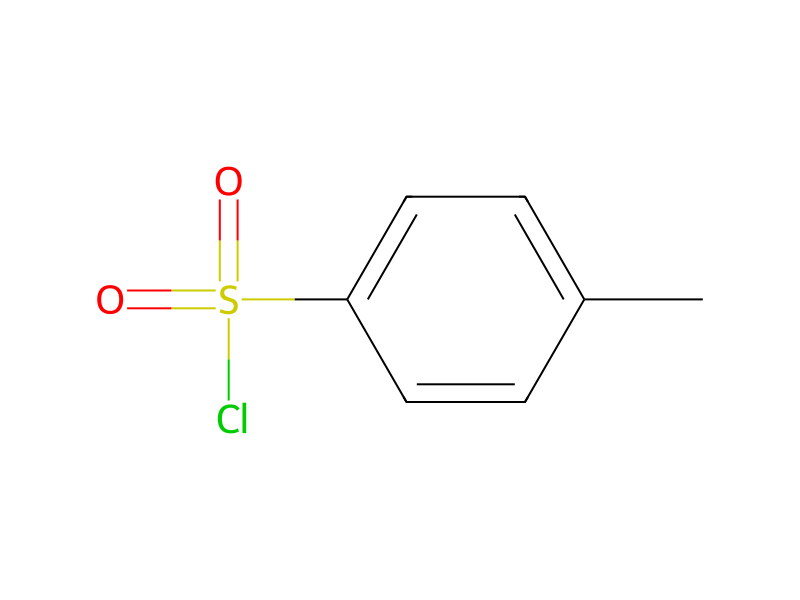
[NH:1]1[C:9]2[C:4](=[C:5]([O:10][CH2:11][CH:12]3[O:14][CH2:13]3)[CH:6]=[CH:7][CH:8]=2)[CH:3]=[CH:2]1.[H-].[Na+].[S:17](Cl)([C:20]1[CH:26]=[CH:25][C:23]([CH3:24])=[CH:22][CH:21]=1)(=[O:19])=[O:18]>C1COCC1.O>[S:17]([N:1]1[C:9]2[C:4](=[C:5]([O:10][CH2:11][CH:12]3[O:14][CH2:13]3)[CH:6]=[CH:7][CH:8]=2)[CH:3]=[CH:2]1)([C:20]1[CH:26]=[CH:25][C:23]([CH3:24])=[CH:22][CH:21]=1)(=[O:19])=[O:18]A solution of glycidyl 4-indolyl ether (compound 1a) (1.0 g, 5.3 mmol) in THF (5 mL) was cooled to 0° C., and sodium hydride in mineral oil (60%, 0.42 g, 10.6 mmol) and tosyl chloride (1.2 g, 6.3 mmol) were added. After being stirred at this temperature for 1 h, the reaction mixture was allowed to warm to room temperature and stirred for 2 hours. The reaction mixture was diluted with water and extracted with CHCl3 (3.50 mL). The combined organic layers were dried with Na2SO4 and concentrated. The residue was purified by column chromatography on silica gel with benzene/acetone mixtures to give the glycidyl N-tosyl-4-indolyl ether (compound 1b) (1.5 g, 82%) as a white solid. See FIG. 18.