HomeMCPSkillsWorkbenchOpenChem
HomeWorkbenchNotificationsMe
llms.txt · skill.md · MCP GuidePrivacy Policy · Terms of Service · Supportv1.8.4
  1. Home
  2. /Reaction

Hydrochloric Acid → 4-(2-Hydroxyethyl)phenylboronic acid

HRID 273674
Print

Reaction equation

[Mg].C[SiH](OC(C)(C)C)C.Br[C:11]1[CH:16]=[CH:15][C:14]([CH2:17][CH2:18][OH:19])=[CH:13][CH:12]=1.BrC(Br)C.[B:24](OC)([O:27]C)[O:25]C.Cl>O1CCCC1>[OH:19][CH2:18][CH2:17][C:14]1[CH:15]=[CH:16][C:11]([B:24]([OH:27])[OH:25])=[CH:12][CH:13]=1
ParticipantsProcedureWorkupSources & evidenceReaction notes

Participants

8

Reactant 6

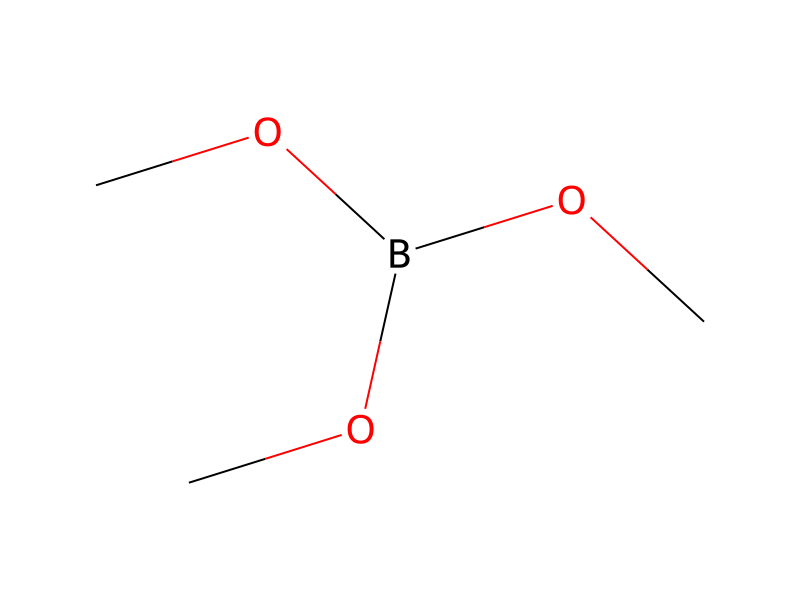
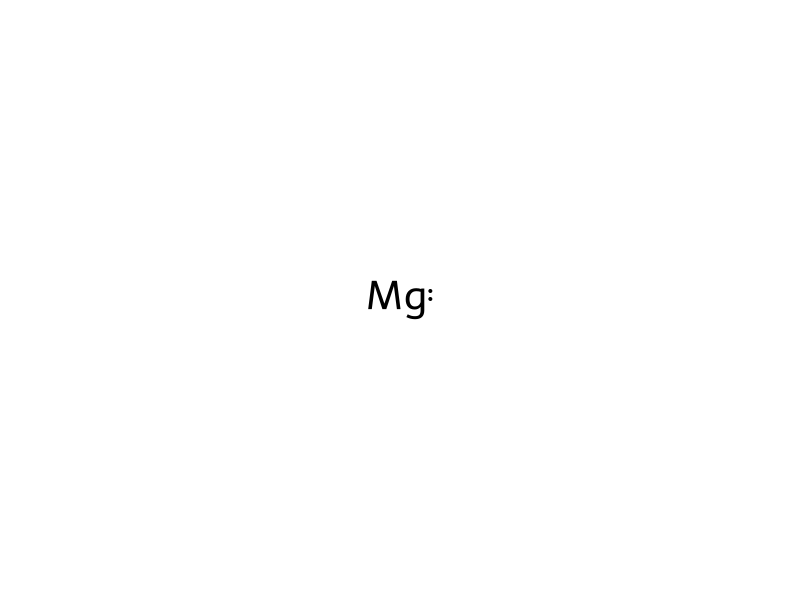
HCID 313Hydrochloric AcidHCID 8470Trimethyl borateHCID 112011,1-DibromoethaneHCID 728512-(4-Bromophenyl)ethanolHCID 5462224Magnesium2×HCID 71403863(Tert-butoxy)dimethylsilane

Product 1

HCID 10176286
4-(2-Hydroxyethyl)phenylboronic acid

Reagents, catalysts & solvents 1

HCID 8028TetrahydrofuranSolvent3×

Procedure

To a suspension of magnesium (0.264 g, 11 mmol) in dry tetrahydrofuran (10 ml) under nitrogen gas was added dropwise over 1/2 hour the t-butyl dimethyl silyl ether of 4-bromophenyl ethyl alcohol (a, 3.45 g, 10.9 mmol) in tetrahydrofuran (10 ml). Magnesium was then activated by the addition of dibromoethane (0.1 g). The metal went into solution slowly over a period of 8 hours. The Grignard reagent was then cooled to -78° C. and treated with freshly distilled trimethyl borate (1.15 g, 11 mmol) added dropwise with stirring. The reaction mixture was then warmed to room temperature and stirred overnight. It was then treated with 2N hydrochloric acid till acidic and the tetrahydrofuran layer was separated from the aqueous layer. The aqueous portion was thoroughly extracted with ethyl acetate (5×50 ml) and the combined organic layer was washed with water and finally with saturated sodium chloride. The organic phase was then dried, concentrated and the residue was purified by chromatography (silica gel). Elution with ethyl acetate/methanol (95:5) provided the boronic acid, which was recrystallized from ethyl acetate/hexane. Yield: 0.69 g (38%), m.p. 218°-220° C., M.S. 184 (M+NH4), 156, 140, 1H NMR (DMSO-d6): δ2.7 (t, 2H), 4.6 (t, 2H), 7.1 and 7.7 (2d, 4H) and 7.9 (s, 2H).


Workup

  1. additionadded dropwise
  2. stirringstirred overnight
  3. customwas separated from the aqueous layer
  4. extractionThe aqueous portion was thoroughly extracted with ethyl acetate (5×50 ml)
  5. washthe combined organic layer was washed with water and finally with saturated sodium chloride
  6. customThe organic phase was then dried
  7. concentrationconcentrated
  8. customthe residue was purified by chromatography (silica gel)
  9. washElution with ethyl acetate/methanol (95:5)

Sources & evidence

ORD record
ord-f0cb28b38f984fb68e296fd9783c64e9
Source dataset
uspto-grants-1995_02
DOI
10.6084/m9.figshare.5104873.v1
Patent number
US05387409

Reaction notes

On this pageParticipantsProcedureWorkupSources & evidenceReaction notes