Reaction equation

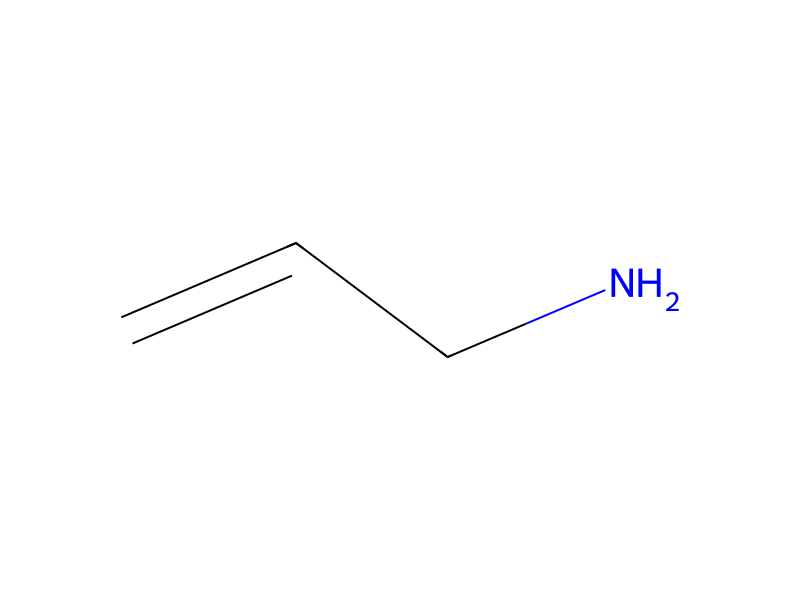
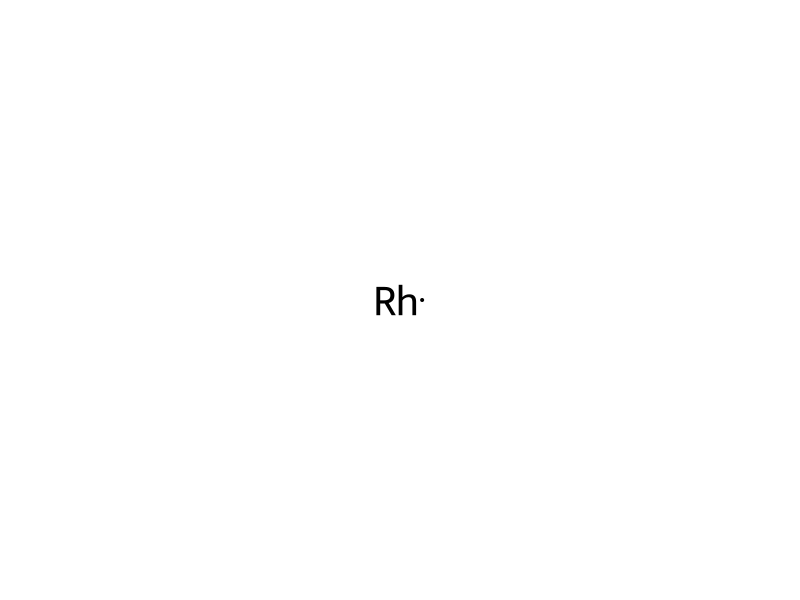
[CH3:1][SiH:2]([O:6][CH2:7][CH3:8])[O:3][CH2:4][CH3:5].[CH2:9]([NH2:12])[CH:10]=[CH2:11]>[Rh]>[NH2:12][CH2:9][CH2:10][CH2:11][Si:2]([CH3:1])([O:6][CH2:7][CH3:8])[O:3][CH2:4][CH3:5]Participants
Reactant 2

Product 1

Reagents, catalysts & solvents 1
Procedure
German Patent No. 2408480 describes the reaction of a silazane derivative from allylamine and an organohydrochlorosilane, in the presence of a proton acceptor to form an intermediate silazane which then undergoes a hydrosilylation reaction catalyzed by a platinum catalyst. Upon alcoholysis, the intermediate hydrosilylation product forms 3-aminopropylmethyldiethoxysilane in 70% overall yield. A molar excess of at least 50% of allylamine is used in this process. Identification of the beta-isomer in the product was not made. Japanese Patent No. 10017578 describes another method of synthesis by hydrosilylation of N,N-bis(tri-methylsilyl)allylamine by methyldimethoxysilane. The product of that reaction is then heated with methanol to form 3-aminopropylmethyldimethoxysilane in at least 85% overall yield. The presence of the beta-isomer in the product was not identified. Japanese Patent No. 11209384 describes the use of a rhodium:cyclooctadiene complex as a hydrosilylation catalyst for the addition of methyldiethoxysilane to allylamine to form 3-aminopropylmethyldiethoxy-silane in 78% yield. 2-Aminopropylmethyldiethoxysilane is formed in very low levels in this process not exceeding 0.5%.
Sources & evidence
- ORD record
- ord-d74060c20ee4448cb0a367ba2b0501c9
- Source dataset
- uspto-grants-2002_03
- Patent number
- US06353073B1
Linked notes
Loading…