Reaction equation

[CH:1](=[O:8])[C:2]1[CH:7]=[CH:6][CH:5]=[CH:4][CH:3]=1.NC1C(C)=CC=CN=1.N[C:18]1[CH:23]=[CH:22][CH:21]=[CH:20][CH:19]=1.C(O)(=O)C1C=CC=CC=1.C=CCCCC.C1(C)C=CC=CC=1>>[C:1]([C:2]1[CH:7]=[CH:6][CH:5]=[CH:4][CH:3]=1)(=[O:8])[CH2:22][CH2:23][CH2:18][CH2:19][CH2:20][CH3:21]Participants
7

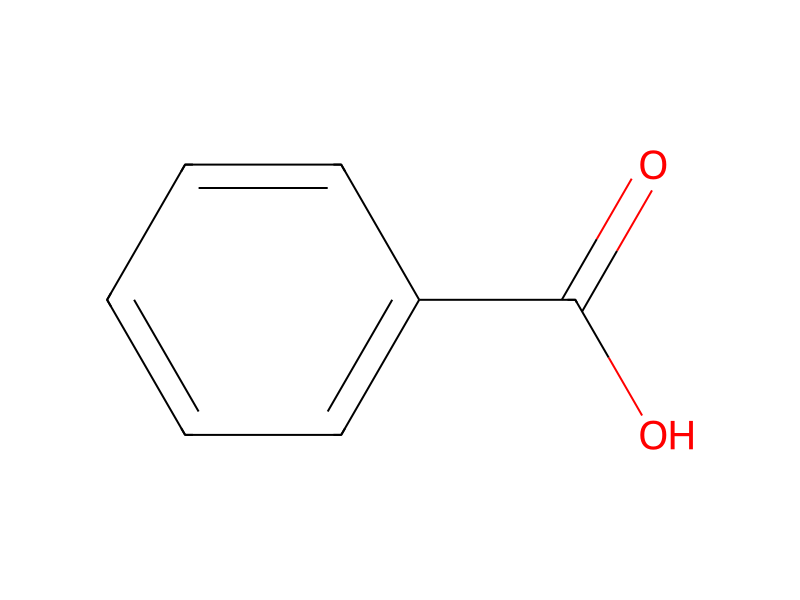




Conditions
- Temperature
- 130 °C
Procedure
Under the same reaction procedure and conditions as in Example 1 (benzaldehyde 0.5 mmol, 2-amino-3-picoline 0.1 mmol, aniline 0.3 mmol, bezoic acid 0.03 mmol, 1-hexene 2.5 mmol, toluene 0.87 mmol), the mixture in a 500 ml pressure reactor was stirred at normal temperature for 2-3 minutes and then various transition metal catalysts as shown in the following table 6 were added to each reactor. While the reactor was stopped with a stopper, the reactants were heated at 130° C. for 1 hour with stirring. After completion of the reaction, gas chromatography was conducted to determine the yields of heptanophenone, products according to various transition metal catalysts. The results are shown in Table 6, below.
Workup
- additionwere added to each reactor
- stirringwith stirring
- customAfter completion of the reaction, gas chromatography
Sources & evidence
- ORD record
- ord-0b2b3a60d24044dfbcbd6ee1f35c0342
- Source dataset
- uspto-grants-2002_03
- Patent number
- US06353139B1
Linked notes
Loading…