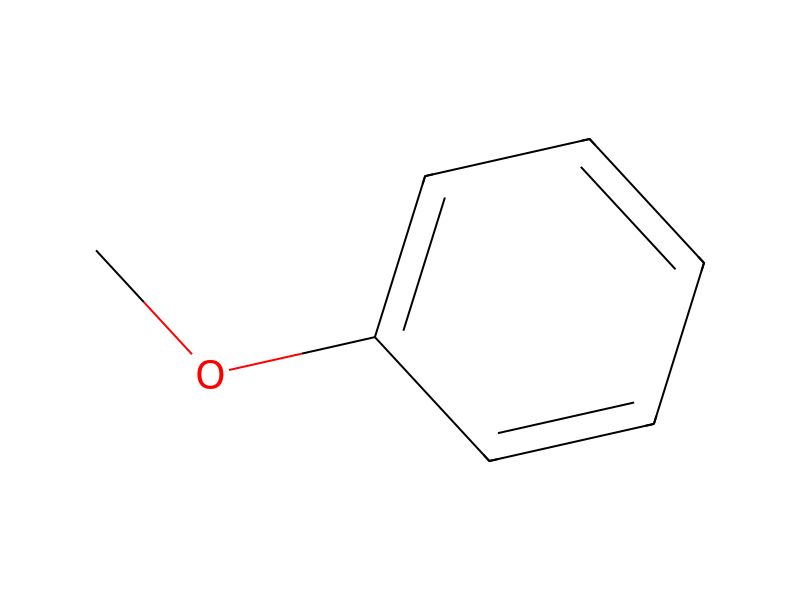
To a solution of benzyl 7β-amino-3-methyl-3-cephem-4-carboxylate (1.2 g) and anisole (5.2 ml) in methylene chloride (100 ml) is added a solution of titanium tetrachloride (2.6 g) in nitromethane under ice cooling, and the mixture stirred for 9.5 hours at room temperature. The reaction mixture is adjusted to pH 1 or less with diluted hydrochloric acid (70 ml), washed with ethyl acetate, and neutralized with 6 N-sodium hydroxide. The resulting titanium hydroxide is removed by filtration, and the filtrate concentrated under reduced pressure at a temperature below 50° C. The resulting crystals are collected by filtration to give 7β-amino-3-methyl-3-cephem-4-carboxylic acid (270 mg). Yield: 32%. This product was identical with an authentic specimen in NMR and IR spectra.