Reaction equation

[C:1](OCC)(=O)[CH:2]=C.[C:8]1(=[O:14])[O:13][C:11](=[O:12])[CH:10]=[CH:9]1.[C:15]([O:19][CH2:20][CH:21]=[CH2:22])(=[O:18])[CH:16]=[CH2:17].N(C(C)(C)C#N)=NC(C)(C)C#N.B(F)(F)F.C=C>CC(C)=O.C(Cl)Cl>[CH2:1]=[CH2:2].[C:15]([O:19][CH2:20][CH3:21])(=[O:18])[CH:16]=[CH2:17].[C:15]([O:19][CH2:20][CH:21]=[CH2:22])(=[O:18])[CH:16]=[CH2:17].[C:11]1(=[O:12])[O:13][C:8](=[O:14])[CH:9]=[CH:10]1Participants
Reactant 6

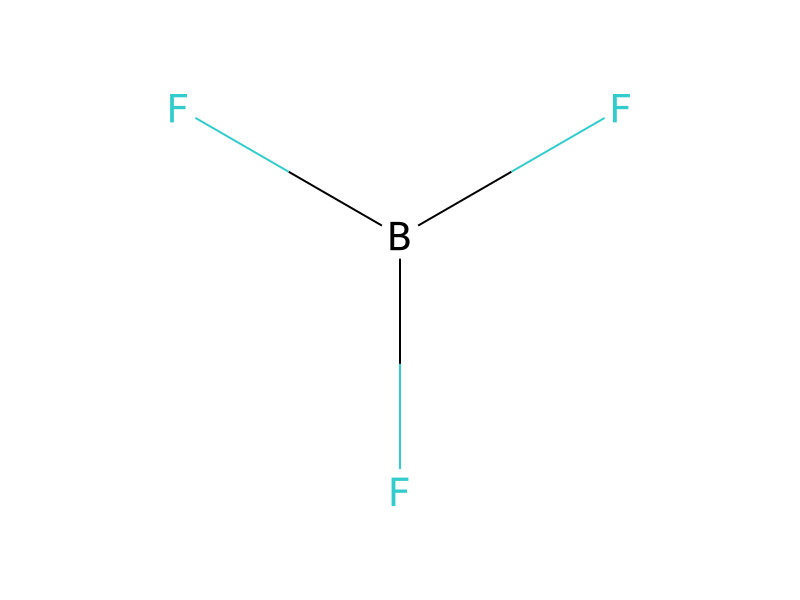




Product 1

Reagents, catalysts & solvents 2


Procedure
A 7.57-liter stirred autoclave was charged under nitrogen with 4000 ml. of methylene chloride, 400 grams of ethyl acrylate, 20 grams of maleic anhydride, 1.2 grams of allyl acrylate, and 1.0 gram of azobis(isobutyronitrile). It was then sealed, charged with 300 grams of boron trifluoride, and pressured to 21 kg./sq. cm. with ethylene. The subsequent copolymerization at 25° C. was continued until pressure measurement indicated that ethylene uptake had ceased (about two hours later). The reaction was quenched by addition of one liter of diethyl ether. Volatiles were removed by steam-stripping in a well-ventilated hood. The terpolymer thereby obtained was dissolved in acetone, precipitated in water in a blender, and oven-dried. Yield: 415 grams.
Workup
- additionwas charged under nitrogen with 4000 ml
- customIt was then sealed
- customThe subsequent copolymerization at 25° C.
- customabout two hours
- customThe reaction was quenched by addition of one liter of diethyl ether
- customVolatiles were removed by steam-stripping in a well-ventilated hood
- customThe terpolymer thereby obtained
- customprecipitated in water in a blender
- customoven-dried
Sources & evidence
- ORD record
- ord-64a9bf2ab9ad4033bab0329dec4fa910
- Source dataset
- uspto-grants-1980_09
- Patent number
- US04225476
Linked notes
Loading…