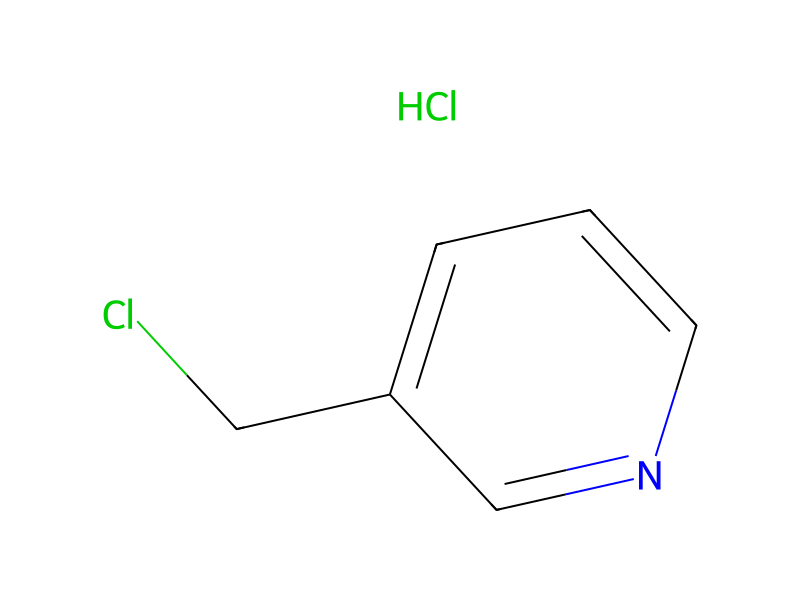
[OH:1][C:2]1[CH:15]=[C:14]([OH:16])[CH:13]=[CH:12][C:3]=1[C:4]([C:6]1[CH:11]=[CH:10][CH:9]=[CH:8][CH:7]=1)=[O:5].Cl.Cl[CH2:19][C:20]1[CH:21]=[N:22][CH:23]=[CH:24][CH:25]=1.C(=O)([O-])[O-].[K+].[K+]>[Br-].C([N+](CCCC)(CCCC)CCCC)CCC.C(C(C)=O)C.C(OCC)(=O)C.[I-].[K+]>[OH:1][C:2]1[CH:15]=[C:14]([O:16][CH2:19][C:20]2[CH:21]=[N:22][CH:23]=[CH:24][CH:25]=2)[CH:13]=[CH:12][C:3]=1[C:4](=[O:5])[C:6]1[CH:11]=[CH:10][CH:9]=[CH:8][CH:7]=1A mixture of 2,4-dihydroxybenzophenone (21.4 g), 3-chloromethylpyridine hydrochloride (25 g), potassium carbonate (80 g), potassium iodide (0.5 g) and tetrabutylammonium bromide (0.2 g) in methyl ethyl ketone is heated at reflux with mechanical stirring for 18 hours. The reaction mixture is filtered through hyflo and the solids washed with several portions of methyl ethyl ketone. The filtrate and the washings are combined and concentrated under reduced pressure to leave a brown oil which is dissolved in ethyl acetate (250 mL) and washed four times with water (200 mL). The organic layer is dried over magnesium sulphate, filtered and concentrated under reduced pressure to leave a residue which is crystallised from cyclohexane containing a little decolourizing charcoal to give 2′-hydroxy-4′-(pyridin-3-ylmethoxy)benzophenone (21.2 g) as a pale yellow solid, m.p. 88-90° C.