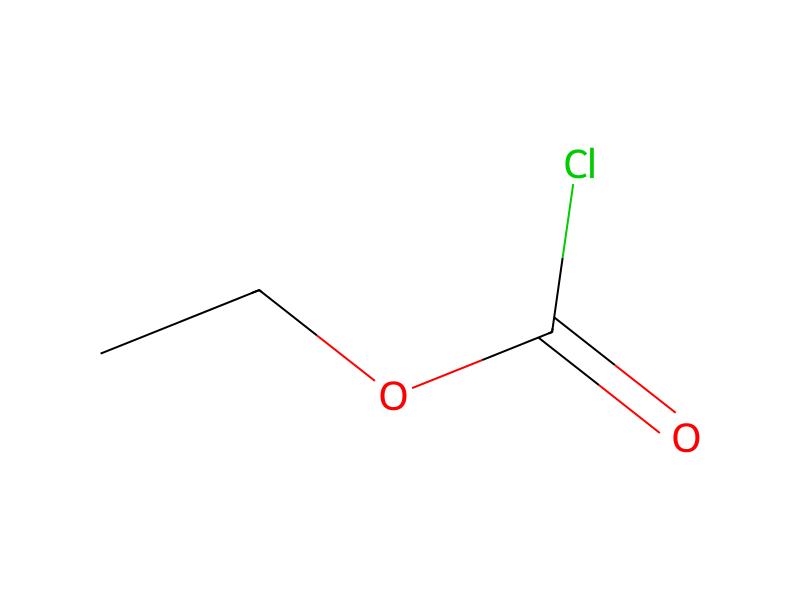
[CH:1]1([NH:7][C:8](=[O:26])[C@H:9]([CH2:18][C:19]2[CH:24]=[CH:23][C:22]([OH:25])=[CH:21][CH:20]=2)[NH:10][C:11]([O:13][C:14]([CH3:17])([CH3:16])[CH3:15])=[O:12])[CH2:6][CH2:5][CH2:4][CH2:3][CH2:2]1.C(N([CH2:32][CH3:33])CC)C.C(Cl)(=O)[O:35][CH2:36][CH3:37].N[C:41]1[CH:46]=CN=[C:43](Cl)[CH:42]=1>O1CCCC1>[CH:1]1([NH:7][C:8](=[O:26])[C@H:9]([CH2:18][C:19]2[CH:24]=[CH:23][C:22]([O:25][CH2:37][C:36]([C:33]3[CH:32]=[CH:43][CH:42]=[CH:41][CH:46]=3)=[O:35])=[CH:21][CH:20]=2)[NH:10][C:11]([O:13][C:14]([CH3:15])([CH3:17])[CH3:16])=[O:12])[CH2:6][CH2:5][CH2:4][CH2:3][CH2:2]1N-(t-butyloxycarbonyl)-4-benzyloxy-L-phenylalanine (I) (4.46 g) was dissolved in dry tetrahydrofuran (110 ml) and triethylamine (1.80 ml) was added under ice-cooling, followed by stirring for 15 minutes. To this solution was added ethyl chlorocarbonate (1.44 g) and the mixture was stirred for 30 minutes. After adding 4-amino-2-chloropyridine (1.54 g), the reaction was carried out at room temperature for 10 hours. The solid was filtered off and the filtrate was concentrated under a reduced pressure. The residue was extracted with ethyl acetate. The extract was purified with a column chromatography to obtain N-(t-butyloxycarbonyl)-4-benzyloxy-L-phenylalanine 4-(2-chloro)pyridylamide (II) (0.60 g). Following the procedure of Example 7, the final compound N-(trans-4-aminomethylcyclohexylcarbonyl)-4-benzyloxy-L-phenylalanine 4-(2-chloro)pyridylamide hydrochloride (III) (0.67 g) was obtained from the compound (II).