Picolinic acid → Diethyl 2-(2-methylquinolin-7-yl)malonate
HRID 339075
Reaction equation

Br[C:2]1[CH:11]=[C:10]2[C:5]([CH:6]=[CH:7][C:8]([CH3:12])=[N:9]2)=[CH:4][CH:3]=1.N1C=CC=CC=1C(O)=O.C([O-])([O-])=O.[Cs+].[Cs+].[C:28]([O:36][CH2:37][CH3:38])(=[O:35])[CH2:29][C:30]([O:32][CH2:33][CH3:34])=[O:31]>O1CCOCC1.O.C(OCC)(=O)C>[CH3:12][C:8]1[CH:7]=[CH:6][C:5]2[C:10](=[CH:11][C:2]([CH:29]([C:30]([O:32][CH2:33][CH3:34])=[O:31])[C:28]([O:36][CH2:37][CH3:38])=[O:35])=[CH:3][CH:4]=2)[N:9]=1Participants
8
Reactant 4

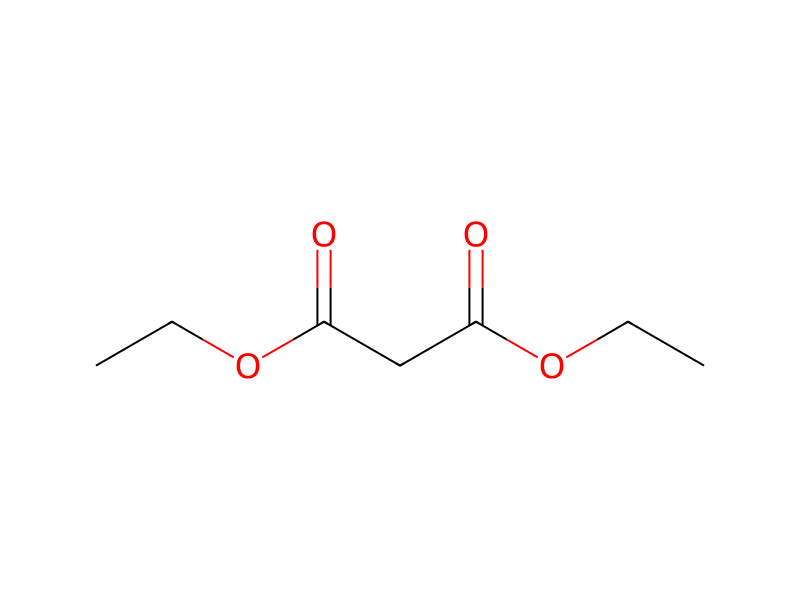


Product 1

Reagents, catalysts & solvents 3


