Reaction equation
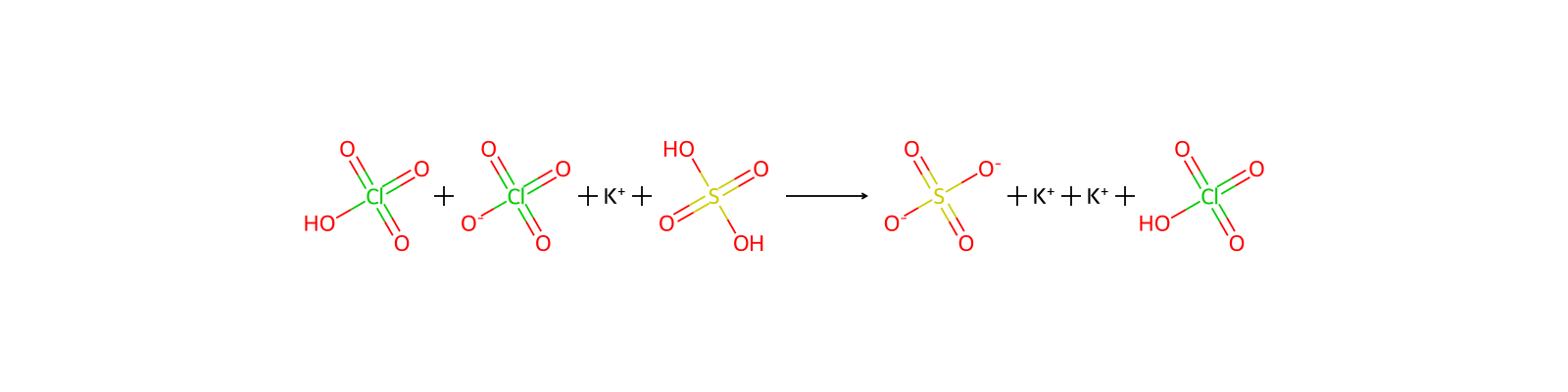
[Cl:1]([OH:5])(=[O:4])(=[O:3])=[O:2].Cl([O-])(=O)(=O)=O.[K+:11].[S:12](=[O:16])(=[O:15])([OH:14])[OH:13]>>[S:12]([O-:16])([O-:15])(=[O:14])=[O:13].[K+:11].[K+:11].[Cl:1]([OH:5])(=[O:4])(=[O:3])=[O:2]Participants

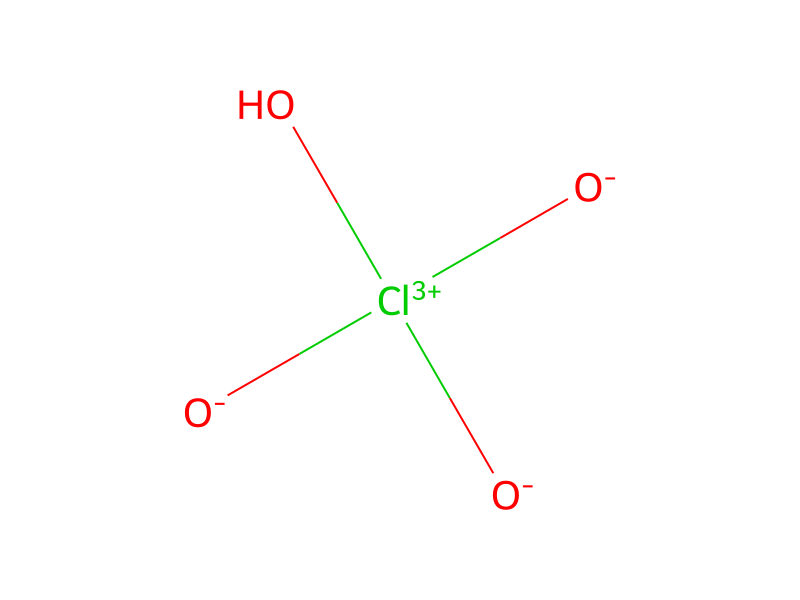
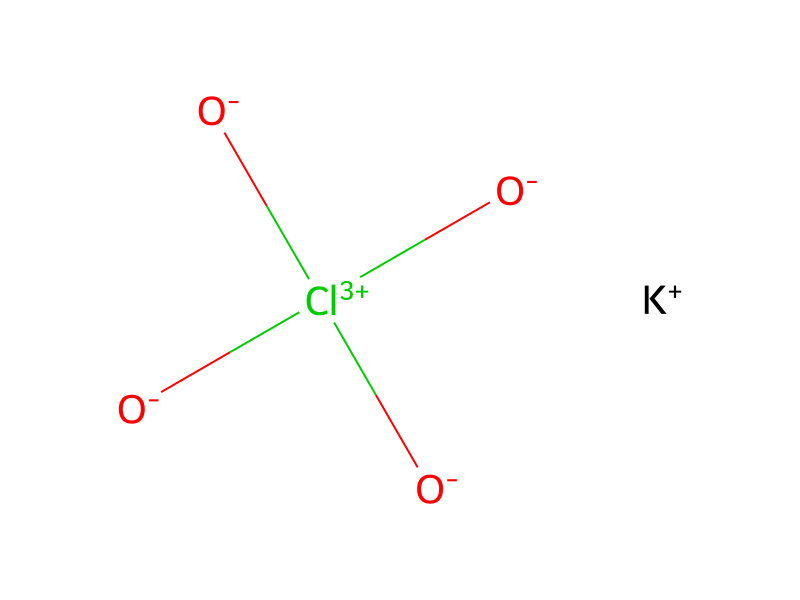

Procedure
One of the advantages of the present invention is, the present invention allows the recycling of perchloric acid. It can be recycled by treating the perchlorate salt with dilute sulphuric acid to yield potassium sulfate and perchloric acid. The potassium sulphate can then be precipitated from the solution and filtered off. The potassium sulfate salt precipitate could be used as a fertilizer; whereas the filtrate, perchloric acid, could be re-used for the hydrolysis of cellulosic materials as set forth in the foregoing description. One of the advantages of the present invention is that the present invention allows the recycling of perchloric acid. It can be recycled by treating the potassium perchlorate salt with dilute sulphuric acid to yield potassium sulfate and perchloric acid. The potassium sulphate can then be precipitated from the solution and filtered off. The potassium sulfate salt precipitate could be used as a valuable fertilizer; whereas the filtrate, perchloric acid, could be re-used for the hydrolysis of cellulosic materials as set forth in the foregoing description.
Workup
- customThe potassium sulphate can then be precipitated from the solution
- filtrationfiltered off
- customwhereas the filtrate, perchloric acid, could be re-used for the hydrolysis of cellulosic materials
Sources & evidence
- ORD record
- ord-aa10ce2838a54218899e8c3a12c7edc8
- Source dataset
- uspto-grants-2014_11
- Patent number
- US08895275B2
Linked notes
Loading…