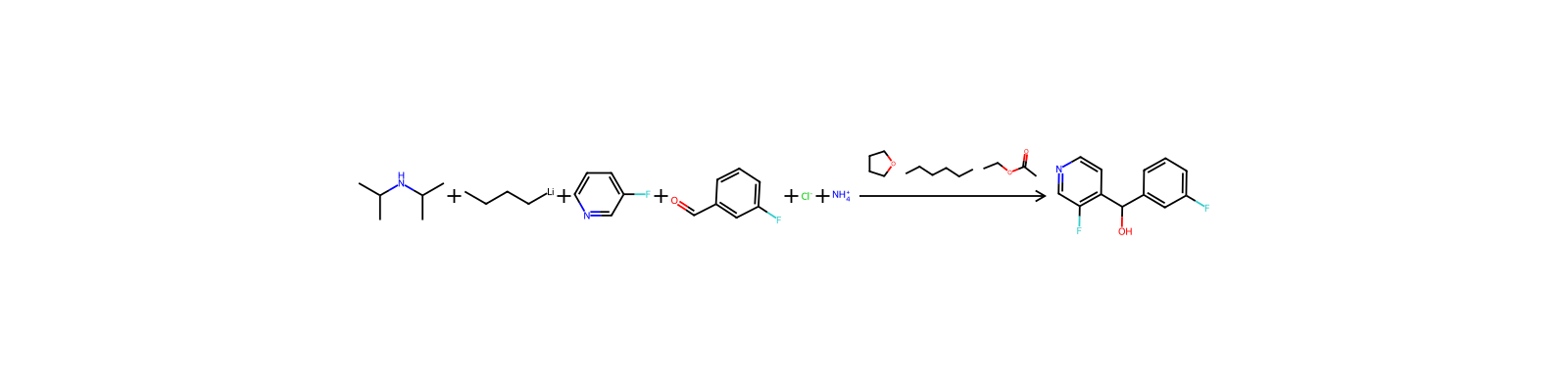
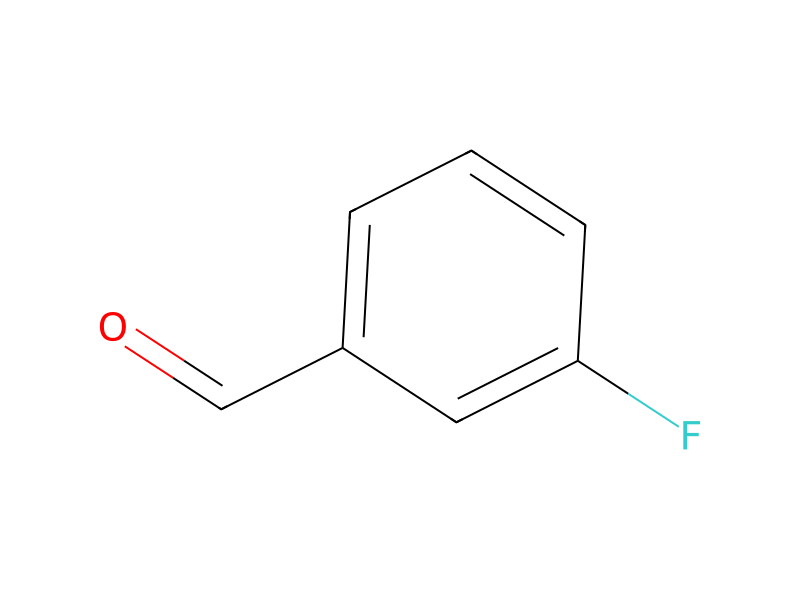
Under nitrogen atmosphere, a solution of 6.1 mL of diisopropylamine in 100 ml of dehydrated tetrahydrofuran was cooled to −70° C., added with 28 mL of 1.56 M n-butyllithium in hexane, and stirred at 0° C. for 15 minutes. After cooling to −70° C., 3.4 mL of 3-fluoropyridine was added dropwise, stirred at the same temperature for 4 hours, and then added dropwise with 4.8 mL of 3-fluorobenzaldehyde. After stirring for 1 hour, aqueous ammonium chloride and ethyl acetate were successively added, and the reaction solution was recovered to room temperature. The organic layer was extracted, washed with water, and dried over anhydrous magnesium sulfate. The solvent was evaporated, and the resulting residue was recrystallized from diisopropyl ether, to afford 7.1 g of the title compound as colorless cubic crystals.