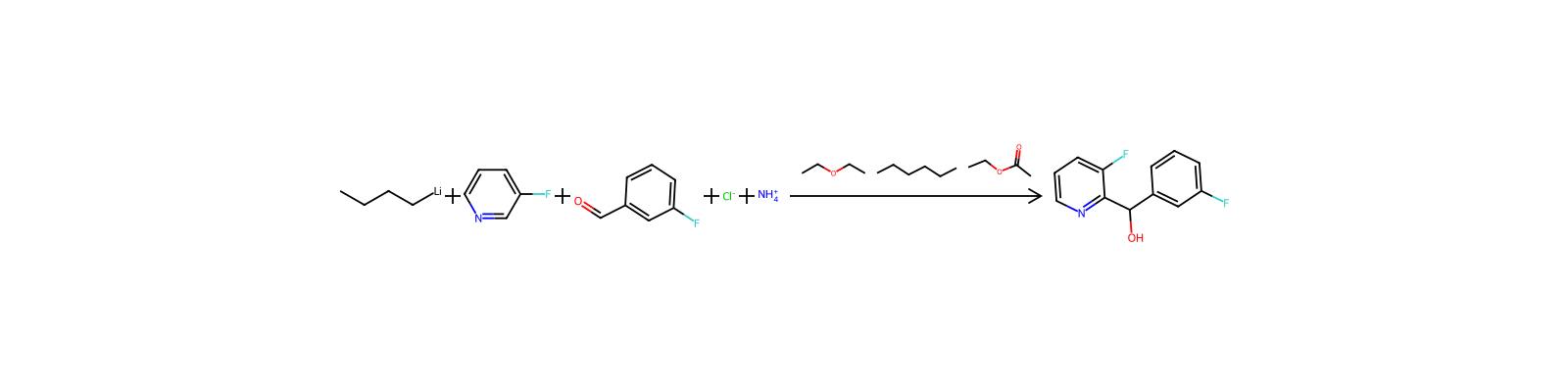
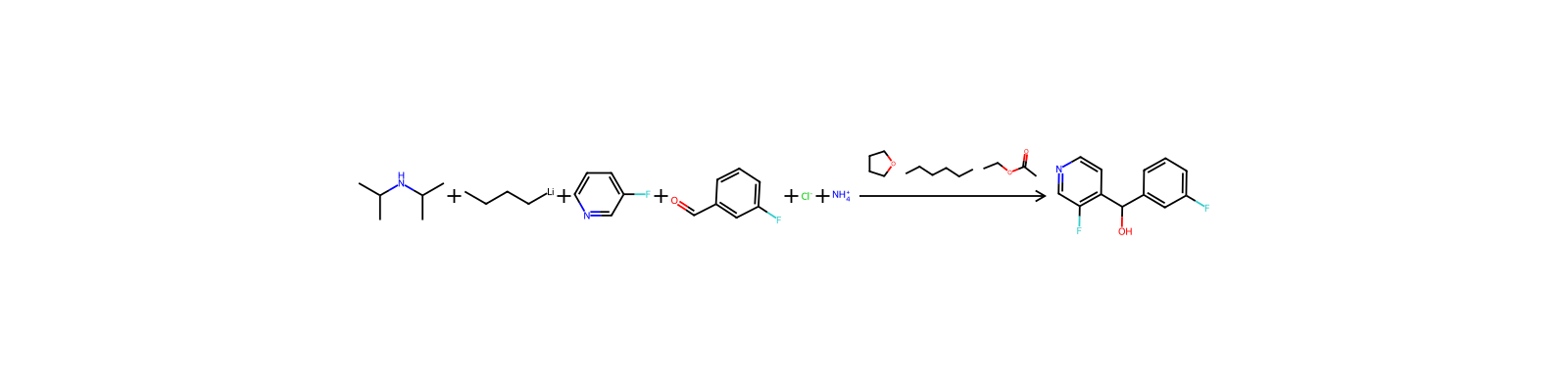
HRID 7159As reactant

372-47-4Fc1cccnc1CELKOWQJPVJKIL-UHFFFAOYSA-N372-47-4DTXSID10190688CHEMBL1162361Safety information is for reference only and does not replace the supplier’s Safety Data Sheet (SDS), applicable regulations, or professional assessment.
Danger
H225 (100%): Highly Flammable liquid and vapor [Danger Flammable liquids]
P210, P233, P240, P241, P242, P243, P261, P264, P264+P265, P271, P280, P302+P352, P303+P361+P353, P304+P340, P305+P351+P338, P319, P321, P332+P317, P337+P317, P362+P364, P370+P378, P403+P233, P403+P235, P405, and P501 (click each P-code to see the statement)
Aggregated GHS information provided per 61 reports by companies from 11 notifications to the ECHA C&L Inventory. Each notification may be associated with multiple companies.
Uses3-Fluoropyridine was used in the synthesis of 3-halopyridin-4-yl-boronic acids and esters.
General Description3-Fluoropyridine is oxidized to corresponding N-oxides, which on treatment with hot acetic anhydride and hydrolysis yields 3-halo-2-pyridones. Microwave spectrum of 3-fluoropyridine has been investigated in the frequency range of 8-18GHz at dry ice temperature. Deprotonation of 3-fluoropyridine with Bu3MgLi in THF at -10°C has been studied.
PreparationA combination of CsF and HF provides a very reactive fluoride source and has shown faint promise with 3-chloropyridine giving 3-fluoropyridine in a very low yield.