HomeMCPWorkbenchSkills
HomeWorkbenchNotificationsMe
llms.txt · MCP GuidePrivacy Policy · Terms of Service · Supportv1.8.3
  1. Home
  2. /Reaction

Hydrochloric Acid → HCID 178526843, compound

HRID 340483
Print

Reaction equation

HRID 340483 reaction equation
C(=O)([O-])[O-].[Cs+].[Cs+].N1CCC[C@H]1C(O)=O.[NH:15]1[CH:19]=[CH:18][N:17]=[N:16]1.[OH:20][C:21]1[C:26](I)=[CH:25][C:24]([N+:28]([O-:30])=[O:29])=[CH:23][N:22]=1.Cl>[Cu](I)I.C(OCC)(=O)C.O.CS(C)=O>[N+:28]([C:24]1[CH:25]=[C:26]([N:16]2[N:17]=[CH:18][CH:19]=[N:15]2)[C:21]([OH:20])=[N:22][CH:23]=1)([O-:30])=[O:29]
ParticipantsConditionsProcedureWorkupSources & evidenceReaction notes

Participants

10

Reactant 5

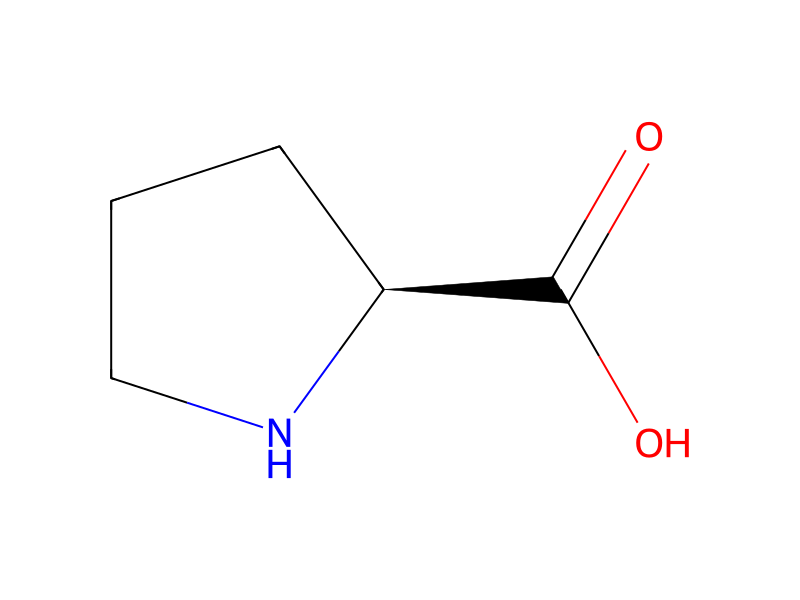
HCID 313Hydrochloric AcidHCID 10796Cesium carbonateHCID 145742L-ProlineHCID 178418936HCID 178418936, compoundHCID 178526840HCID 178526840, compound

Product 1

HCID 178526843HCID 178526843, compoundYield 78.8%

Reagents, catalysts & solvents 4

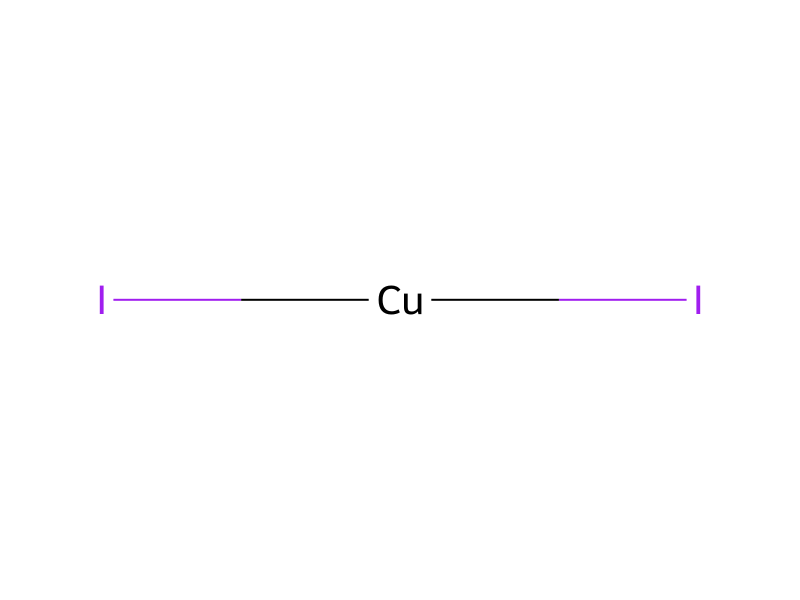
HCID 83717Copper iodideCatalystHCID 679Dimethyl SulfoxideSolventHCID 962WaterSolventHCID 8857Ethyl AcetateSolvent

Conditions

Temperature
100 °C

Procedure

Cesium carbonate (550 mg), L-proline (65 mg), and 1H-1,2,3-triazole (92 mg) were added to a dimethyl sulfoxide (3 ml) solution containing 2-hydroxy-3-iodo-5-nitropyridine (300 mg), and copper iodide (106 mg) was further added in a nitrogen atmosphere, followed by stirring at 100° C. for 3 hours. The reaction solution was adjusted to room temperature. Water and ethyl acetate were added. The pH was adjusted to pH 7 with 1M hydrochloric acid. Insoluble matter was filtered, followed by extraction with ethyl acetate (×3). The resultant was washed with saturated saline and dried over anhydrous sodium sulfate. Subsequently, the solvent was distilled away under reduced pressure, the obtained residue was purified by silica gel chromatography (chloroform:methanol=1:0 to 10:1), and an orange solid of a mixture (184 mg) of 5-nitro-3-(2H-1,2,3-triazol-2-yl)pyridin-2-ol and 5-nitro-3-(1H-1,2,3-triazol-1-yl)pyridin-2-ol was thus obtained.


Workup

  1. additionwas further added in a nitrogen atmosphere
  2. customwas adjusted to room temperature
  3. filtrationInsoluble matter was filtered
  4. extractionfollowed by extraction with ethyl acetate (×3)
  5. washThe resultant was washed with saturated saline
  6. dry with materialdried over anhydrous sodium sulfate
  7. distillationSubsequently, the solvent was distilled away under reduced pressure
  8. customthe obtained residue was purified by silica gel chromatography (chloroform:methanol=1:0 to 10:1)

Sources & evidence

ORD record
ord-dd89b96c7f444224a56f5a34724e600e
Source dataset
uspto-grants-2014_11
DOI
10.6084/m9.figshare.5104873.v1
Patent number
US08895585B2

Reaction notes

On this pageParticipantsConditionsProcedureWorkupSources & evidenceReaction notes