HomeMCPWorkbenchSkills
HomeWorkbenchNotificationsMe
llms.txt · MCP GuidePrivacy Policy · Terms of Service · Supportv1.8.0
  1. Home
  2. /Reaction

Indole → 1H-Indole-1-ethanol

HRID 345694
Notes
Print preview

Reaction equation

HRID 345694 reaction equation
[NH:1]1[C:9]2[C:4](=[CH:5][CH:6]=[CH:7][CH:8]=2)[CH:3]=[CH:2]1.[H-].[Na+].[CH2:12]1[O:14][CH2:13]1>CN(C=O)C>[OH:14][CH2:13][CH2:12][N:1]1[C:9]2[C:4](=[CH:5][CH:6]=[CH:7][CH:8]=2)[CH:3]=[CH:2]1
ParticipantsProcedureWorkupSources & evidenceReaction notes

Participants

5

Reactant 3

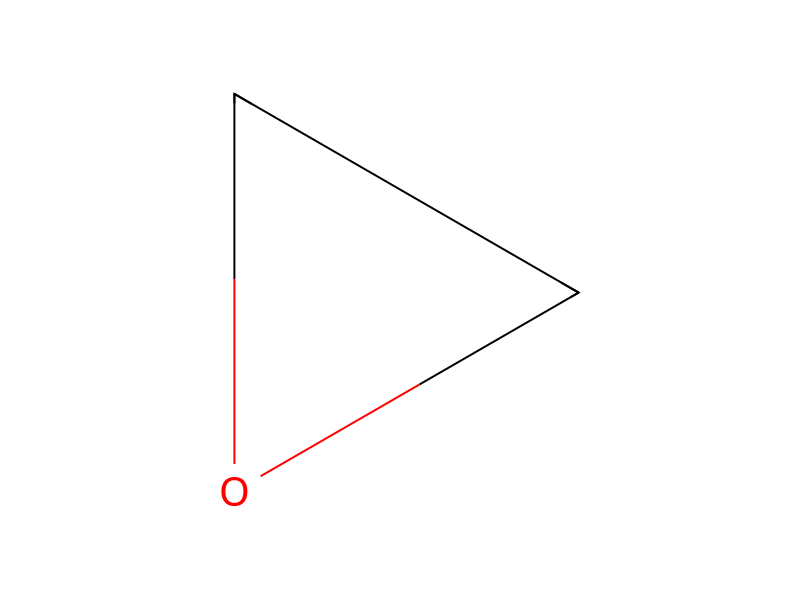
HCID 798IndoleHCID 6354Ethylene OxideHCID 24758Sodium hydride

Product 1

HCID 137349961H-Indole-1-ethanol

Reagents, catalysts & solvents 1

HCID 6228DimethylformamideSolvent

Procedure

11.7 g of indole in 500 ml of DMF were treated with 4 g of sodium hydride dispersed in mineral oil. After 1 hour the mixture was cooled in an ice bath and 10 ml of ethylene oxide were added. The mixture was allowed to warm to room temperature and was then stirred for 2 hours. The solvent was evaporated and the residue was treated with 50 ml of water and neutralized with 2M hydrochloric acid. The product was extracted into dichloromethane, the solvent was evaporated and the residue was chromatographed with ethyl acetate/petroleum ether to give 7.6 g of 1-(2-hydroxyethyl)indole.

On this pageParticipantsProcedureWorkupSources & evidenceReaction notes

Workup

  1. additiondispersed in mineral oil
  2. temperatureAfter 1 hour the mixture was cooled in an ice bath
  3. customThe solvent was evaporated
  4. additionthe residue was treated with 50 ml of water and neutralized with 2M hydrochloric acid
  5. extractionThe product was extracted into dichloromethane
  6. customthe solvent was evaporated
  7. customthe residue was chromatographed with ethyl acetate/petroleum ether

Sources & evidence

ORD record
ord-e2bda155152b445b84b8abb4b2d27f90
Source dataset
uspto-grants-1991_10
DOI
10.6084/m9.figshare.5104873.v1
Patent number
US05057614

Reaction notes

Loading…