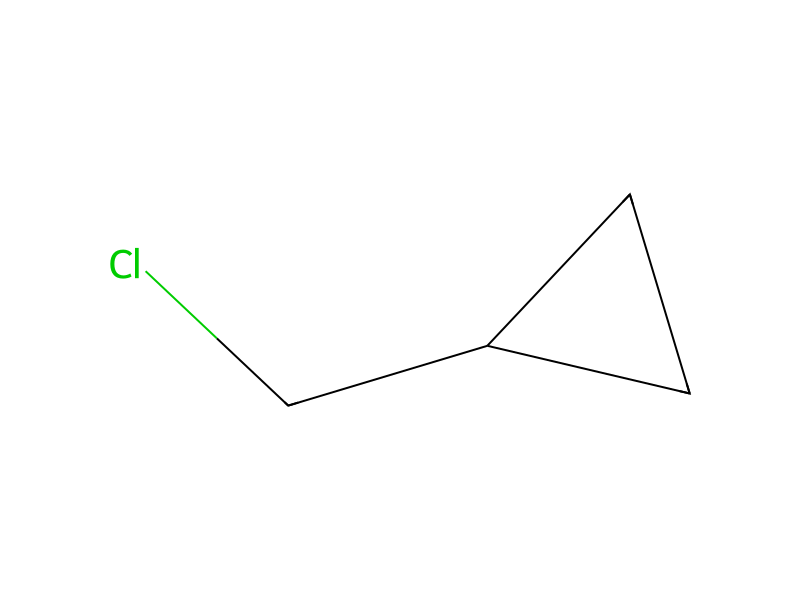
[C:1]([OH:6])(=[O:5])[C:2]([OH:4])=[O:3].[Cl:7][C:8]1[CH:9]=[C:10]([CH:23]=[CH:24][CH:25]=1)[O:11][CH:12]1[C:18]2[CH:19]=[CH:20][CH:21]=[CH:22][C:17]=2[CH2:16][CH2:15][NH:14][CH2:13]1.Cl[CH2:27][CH:28]1[CH2:30][CH2:29]1.C(=O)(O)[O-].[Na+]>CN(C=O)C>[C:1]([OH:6])(=[O:5])[C:2]([OH:4])=[O:3].[Cl:7][C:8]1[CH:9]=[C:10]([CH:23]=[CH:24][CH:25]=1)[O:11][CH:12]1[C:18]2[CH:19]=[CH:20][CH:21]=[CH:22][C:17]=2[CH2:16][CH2:15][N:14]([CH2:27][CH:28]2[CH2:30][CH2:29]2)[CH2:13]1A mixture of 1-(m-chlorophenoxy)-2,3,4,5-tetrahydro-3-benzazepine of Example 4, (7.0 g, 0.026 mole), chloromethylcyclopropane (4.6 g, 0.051 mole) and sodium bicarbonate (8.4 g, 0.10 mole) in DMF (85 ml) was warmed at 80°-90° C. for four hours. The reaction mixture was cooled, then concentrated under high vacuum to an oil which was stirred with water and extracted with ether. The ether extracts were twice washed with water and dried (saturated NaCl, anhydrous MgSO4). The solution was filtered, then concentrated to an oil which was dissolved in ether and then converted to the oxalate salt (7 g, mp 80°-95° C.) using the procedure of Example 1. This material was rebasified, then passed through a silica gel dry column with ethyl acetate as eluent. The desired produce was extracted with ethyl acetate then concentrated to an oil (3.3 g). This oil was converted to the oxalate salt using the procedure of Example 1 and then immediately recrystallized from a 20:1 solution of ethyl acetate/methanol to yield 1-(m-chlorophenoxy)-3-cyclopropylmethyl-2,3,4,5-tetrahydro-3-benzazepine oxalate, (3.1 g, d 100°-101° C.).