HomeMCPWorkbenchSkills
HomeWorkbenchNotificationsMe
llms.txt · MCP GuidePrivacy Policy · Terms of Service · Supportv1.8.0
  1. Home
  2. /Reaction

Hydrochloric Acid → HCID 11638755, compound

HRID 349772
Notes
Print preview

Reaction equation

HRID 349772 reaction equation
[CH3:1][C@@:2]12[C:9]([CH3:11])([CH3:10])[CH:6]([CH2:7][CH2:8]1)[C:5](=[O:12])[CH2:4][C:3]2=[O:13].C(N(CC)CC)C.[N+:21]([C:24]1[CH:29]=[CH:28][C:27]([N:30]=[C:31]=[O:32])=[CH:26][CH:25]=1)([O-:23])=[O:22].Cl>CN(C)C1C=CN=CC=1.ClCCl>[N+:21]([C:24]1[CH:25]=[CH:26][C:27]([NH:30][C:31]([CH:4]2[C:5](=[O:12])[CH:6]3[C:9]([CH3:10])([CH3:11])[C@:2]([CH3:1])([CH2:8][CH2:7]3)[C:3]2=[O:13])=[O:32])=[CH:28][CH:29]=1)([O-:23])=[O:22]
ParticipantsConditionsProcedureWorkupSources & evidenceReaction notes

Participants

7

Reactant 4

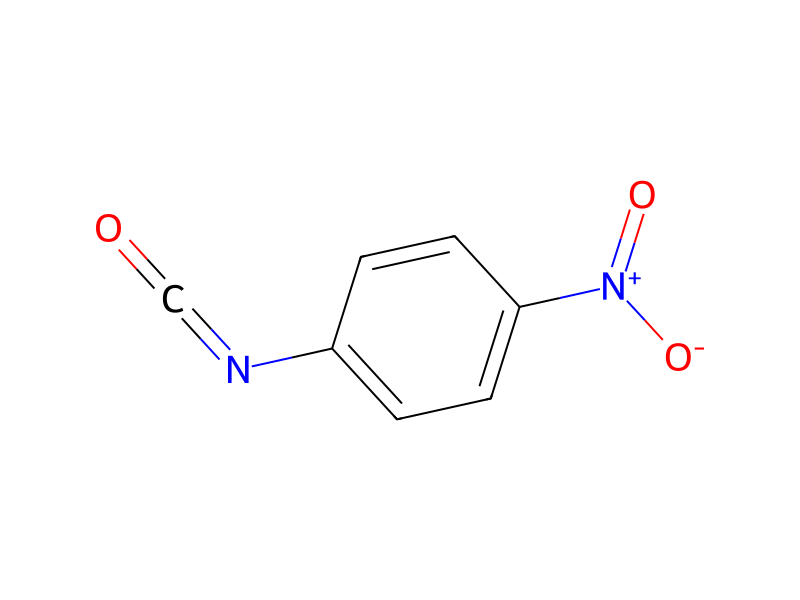
HCID 313Hydrochloric AcidHCID 8471TriethylamineHCID 66012Benzene, 1-isocyanato-4-nitro-HCID 58586461(1S)-1,8,8-trimethylbicyclo[3.2.1]octane-2,4-dione

Product 1

HCID 11638755HCID 11638755, compoundYield 42.1%

Reagents, catalysts & solvents 2

HCID 14284
4-(Dimethylamino)pyridine
Catalyst
HCID 6344DichloromethaneSolvent2×

Conditions

Temperature
30 °C

Procedure

To an ice-cooled solution of (1S)-1,8,8-trimethylbicyclo[3.2.1]octane-2,4-dione (0.36 g, 2.0 mmole), triethylamine (0.20 g, 2.0 mmole) and 4-(dimethylamino)pyridine (0.24 g, 2.0 mmole) in dry dichloromethane (25 mL) was added a solution of 4-nitrophenyl isocyanate (0.33 g, 2.0 mmole) in dry dichloromethane (5 mL). The resulting mixture was allowed to stir overnight under a nitrogen atmosphere, during which time it came up to room temperature, and then was heated at 30° C. for 48 hours. The reaction mixture was treated with 2N aqueous HCl and the layers separated. The acidic aqueous layer was extracted with two additional portions of dichloromethane. The combined organic layers were dried over anhydrous sodium sulfate and concentrated on a rotary evaporator to give a yellow oil, which was purified by chromatography on silica gel (10% ethyl acetate/hexane) to yield an orange oil, which was crystallized from 95% ethanol to yield the title compound as a beige solid (0.29 g, 42% yield), mp=170–172° C.; MS (−) ESI m/z=343 (M−H)−; [α]D25=−33.4° (c=1, DMSO).

Workup

  1. customcame up to room temperature
  2. customthe layers separated
  3. extractionThe acidic aqueous layer was extracted with two additional portions of dichloromethane
  4. dry with materialThe combined organic layers were dried over anhydrous sodium sulfate
  5. concentrationconcentrated on a rotary evaporator
  6. customto give a yellow oil, which
  7. customwas purified by chromatography on silica gel (10% ethyl acetate/hexane)
  8. customto yield an orange oil, which
  9. customwas crystallized from 95% ethanol

Sources & evidence

ORD record
ord-f2a58a2cf0684723bb9d6b03a20b606c
Source dataset
uspto-grants-2007_02
DOI
10.6084/m9.figshare.5104873.v1
Patent number
US07179943B2

Reaction notes

Loading…

On this pageParticipantsConditionsProcedureWorkupSources & evidenceReaction notes