HomeMCPWorkbenchSkills
HomeWorkbenchNotificationsMe
llms.txt · MCP GuidePrivacy Policy · Terms of Service · Supportv1.8.0
  1. Home
  2. /Reaction

Acetone → Methane

HRID 351311
Notes
Print preview

Reaction equation

HRID 351311 reaction equation
[NH2:1][C:2]([NH2:4])=[O:3].N[C@H:6](C=O)CCSC.CC(C)=O.NC(N)=O.[Cl-:21].[OH:22][CH2:23][CH2:24][N+:25]([CH3:28])([CH3:27])[CH3:26]>[Cl-].OCC[N+](C)(C)C.[O-2].[Zn+2].[Fe].[Ni].[Ti]>[NH2:1][C:2]([NH2:4])=[O:3].[Cl-:21].[OH:22][CH2:23][CH2:24][N+:25]([CH3:28])([CH3:27])[CH3:26].[CH4:6]
ParticipantsConditionsProcedureWorkupSources & evidenceReaction notes

Participants

11

Reactant 4

HCID 180AcetoneHCID 1176UreaHCID 446793Methionin ALHCID 17983235Choline chloride urea

Product 2

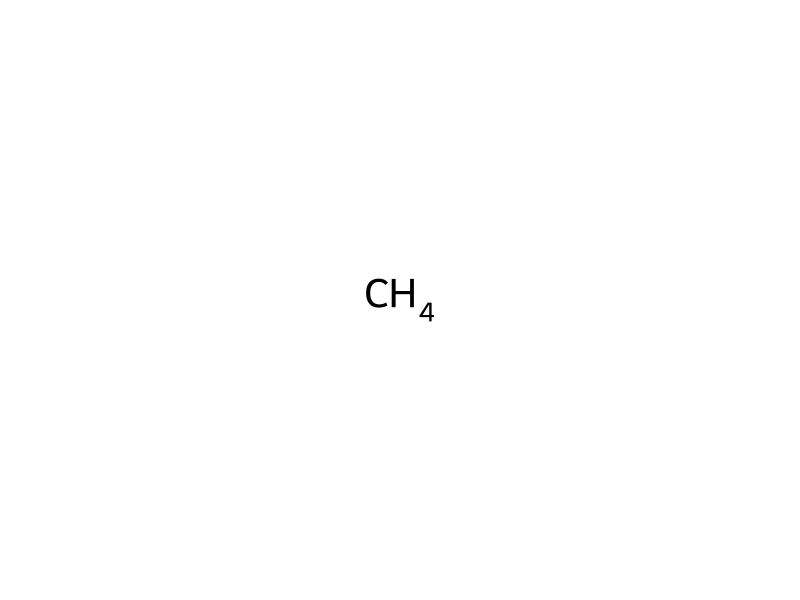
HCID 297MethaneHCID 17983235Choline chloride urea

Reagents, catalysts & solvents 5

HCID 935
Nickel
Catalyst
HCID 6209Choline ChlorideCatalyst
HCID 23925IronCatalyst
HCID 23963TitaniumCatalyst
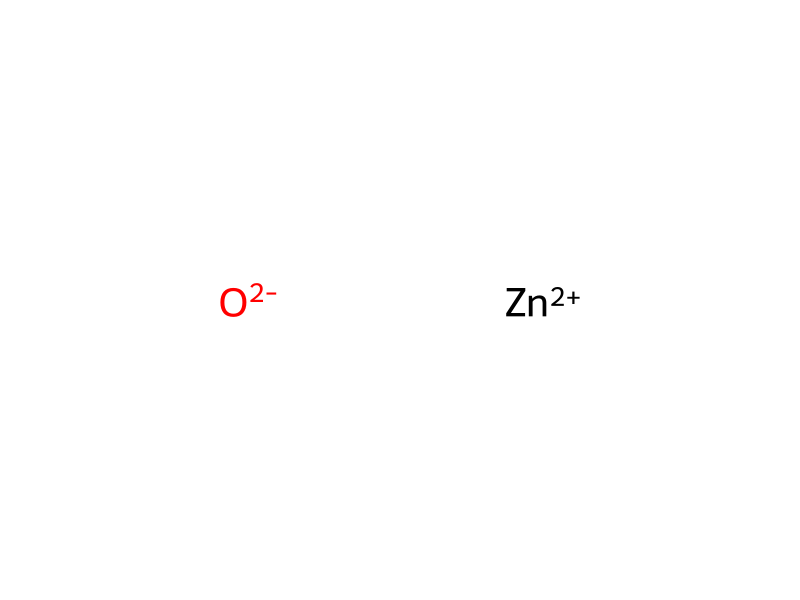
HCID 3007857Zinc OxideCatalyst

Conditions

Temperature
80 °C

Procedure

Zinc oxide and lead compounds can be dissolved in 2:1 urea-choline chloride and the respective metals subsequently electrodeposited onto a suitable cathode. Oxides of Fe, Al, Si and Ca were found to be almost totally insoluble in the above ionic liquid. Urea-choline chloride ionic liquid was prepared by combining urea (0.02 moles) with choline chloride (0.01 moles) in a beaker and heating at 80° C. Arc furnace dust (0.5 g) was added to the resulting clear colourless liquid and the mixture was heated at 80° C. for 1 hour. After 1 hour a brown suspension was obtained which was transferred to an electrochemical cell. Metal electrodeposition was achieved using a nickel cathode and a titanium anode (both electrodes were 50 mm by 10 mm and 1 mm thick) and applying a potential difference of 3.5 V for 1 hour. Prior to electrodeposition the electrodes were gently abraded with glass paper and cleaned with acetone. After 1 hour of electrodeposition the nickel cathode was removed from the brown suspension, washed with acetone and dried. A thick charcoal coloured deposit was obtained. The electrodeposited material was analysed using Energy Dispersive Analysis by X-rays. The results of the analysis revealed the presence of lead (77%), zinc (16%) and copper (7%). There was no trace of iron in the deposit thus showing that zinc oxide and iron (III) oxide can be separated and harmful lead compounds removed from arc furnace dust.


Workup

  1. temperaturethe mixture was heated at 80° C. for 1 hour
  2. customAfter 1 hour a brown suspension was obtained which
  3. customfor 1 hour
  4. customAfter 1 hour of electrodeposition the nickel cathode was removed from the brown suspension
  5. washwashed with acetone
  6. customdried

Sources & evidence

ORD record
ord-b0fa3fbc256c4e8ba3ea94c9691e29cd
Source dataset
uspto-grants-2007_02
DOI
10.6084/m9.figshare.5104873.v1
Patent number
US07183433B2

Reaction notes

Loading…

On this pageParticipantsConditionsProcedureWorkupSources & evidenceReaction notes