Reaction equation

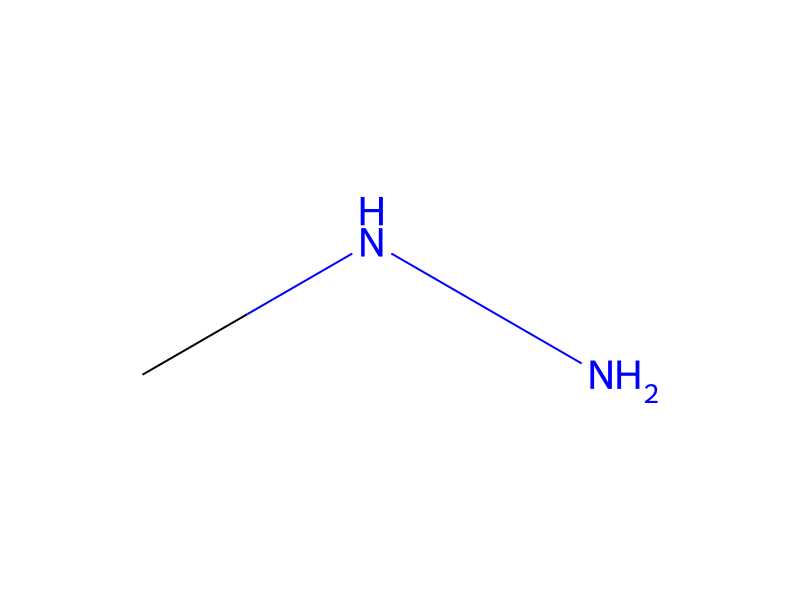
[CH:1]1([C:4]2[N:8]=[C:7]([CH2:9]N3C(=O)C4=CC=CC=C4C3=O)[O:6][N:5]=2)[CH2:3][CH2:2]1.C1C=C2C(N(CC(O)=O)C(=O)C2=CC=1)=O.C1(C(=NO)N)CC1.CNN.[NH2:46][CH2:47][N:48]1[CH2:52]ON=[C:49]1C1CC1>CN(C=O)C.C(N1C=CN=C1)(N1C=CN=C1)=O.ClCCCl>[CH:1]1([C:4]2[N:8]=[C:7]([CH2:9][C:47]([N:48]([CH3:52])[CH3:49])=[NH:46])[O:6][N:5]=2)[CH2:2][CH2:3]1Participants
Reactant 5


Product 1

Reagents, catalysts & solvents 3



Conditions
- Temperature
- 130 °C
Procedure
Scheme 3 describes the preparation of known starting materials. The processes for preparation of these compounds are also known or may be carried out in analogous manner to known methods. For example, N-[(3-cyclopropyl-1,2,4-oxadiazol-5-yl)methyl]phthalimide is prepared by reaction of N-phthaloylglycine in DMF and 1,1′carbonyldiimidazole, and followed by the addition of cyclopropanecarboxamidoxime. The obtained N-[(3-cyclopropyl-1,2,4-oxadiazol-5-yl)methyl]phthalimide is then dissolved in 1,2-dichloroethane and N-methylhydrazine is added. The obtained 4-(aminomethyl)-3-cyclopropyl-1,2,4-oxadiazole is then treated with N,N-dimethylformaldehyde diethyl acetal and heated at about 130° C. and the desired starting material (E/Z)-N′-(3-cyclopropyl-[1,2,4]oxadiazol-5-ylmethyl-N,N-dimethyl-formamidine is obtained.
Workup
- customthe preparation
- customThe processes for preparation of these compounds
Sources & evidence
- ORD record
- ord-72e9f2e9c5ca4a129d217bbf2e0400c1
- Source dataset
- uspto-grants-2004_06
- Patent number
- US06743789B2
Linked notes
Loading…