Reaction equation

[Br:1][C:2]1[CH:11]=[CH:10][C:9]2[C:4](=[CH:5][CH:6]=[CH:7][CH:8]=2)[CH:3]=1.[C:12](Cl)(=[O:14])[CH3:13].[Sn](Cl)(Cl)(Cl)Cl.B(F)(F)F.[Cl-].[Cl-].[Cl-].[Al+3].[N+](C1C=CC=CC=1)([O-])=O>[Cl-].[Cl-].[Zn+2].C(Cl)Cl.C(#N)C.C(=S)=S.[N+](C)([O-])=O>[Br:1][C:2]1[CH:11]=[CH:10][C:9]2[C:4](=[CH:5][CH:6]=[C:7]([C:12](=[O:14])[CH3:13])[CH:8]=2)[CH:3]=1Participants
Reactant 6





Product 1

Reagents, catalysts & solvents 5





Procedure
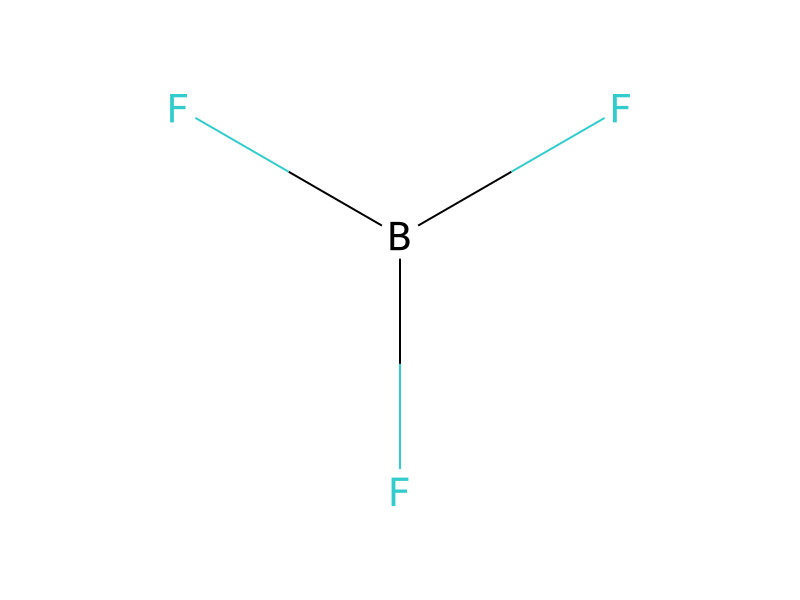
The compound of formula (II), 2-bromonaphthalene, is reacted with about 1 to 4 molar equivalents, preferably about 1.5 molar equivalents, of an acetyl halide, preferably acetyl chloride, in the presence of about 0.1 to 15 molar equivalents, preferably about 5 to 7 molar equivalents, of a Friedel-Crafts catalyst such as ferric chloride, zinc dichloride, tin tetrachloride, boron trifluoride or preferably aluminum trichloride, in a suitable solvent such as nitromethane, carbon disulphide, acetonitrile, methylene chloride or preferably nitrobenzene. The reaction is conducted at a temperature of about 25°-100° C., preferably about 50° C., for about 1-24 hours, preferably about 4 hours, giving the compound of formula (III), 2-bromo-6-acetylnaphthalene. When the reaction is substantially complete, the product of formula (III) is isolated by conventional means, for example crystallization.
Sources & evidence
- ORD record
- ord-be2ca39314434b6fa3c8999557133e1c
- Source dataset
- uspto-grants-1988_08
- Patent number
- US04766127
Linked notes
Loading…