HomeMCPSkillsWorkbenchOpenChem
HomeWorkbenchNotificationsMe
llms.txt · skill.md · MCP GuidePrivacy Policy · Terms of Service · Supportv1.8.5
  1. Home
  2. /Reaction

Hydrochloric Acid → 2-(3,4-Difluorophenyl)-6-(4-propylphenyl)-1,2,3,4-tetrahydronaphthalene

HRID 352283
Print

Reaction equation

[CH2:1]([C:4]1[CH:9]=[CH:8][C:7](Br)=[CH:6][CH:5]=1)[CH2:2][CH3:3].[Mg].COB(OC)OC.Cl.Br[C:21]1[CH:22]=[C:23]2[C:28](=[CH:29][CH:30]=1)[CH2:27][CH:26]([C:31]1[CH:36]=[CH:35][C:34]([F:37])=[C:33]([F:38])[CH:32]=1)[CH2:25][CH2:24]2.P([O-])([O-])([O-])=O.[K+].[K+].[K+]>CN(C)C=O.C1C=CC([P]([Pd]([P](C2C=CC=CC=2)(C2C=CC=CC=2)C2C=CC=CC=2)([P](C2C=CC=CC=2)(C2C=CC=CC=2)C2C=CC=CC=2)[P](C2C=CC=CC=2)(C2C=CC=CC=2)C2C=CC=CC=2)(C2C=CC=CC=2)C2C=CC=CC=2)=CC=1.O>[F:38][C:33]1[CH:32]=[C:31]([CH:26]2[CH2:25][CH2:24][C:23]3[C:28](=[CH:29][CH:30]=[C:21]([C:7]4[CH:8]=[CH:9][C:4]([CH2:1][CH2:2][CH3:3])=[CH:5][CH:6]=4)[CH:22]=3)[CH2:27]2)[CH:36]=[CH:35][C:34]=1[F:37]

ParticipantsConditionsProcedureWorkupSources & evidenceReaction notes

Participants

10

Reactant 6

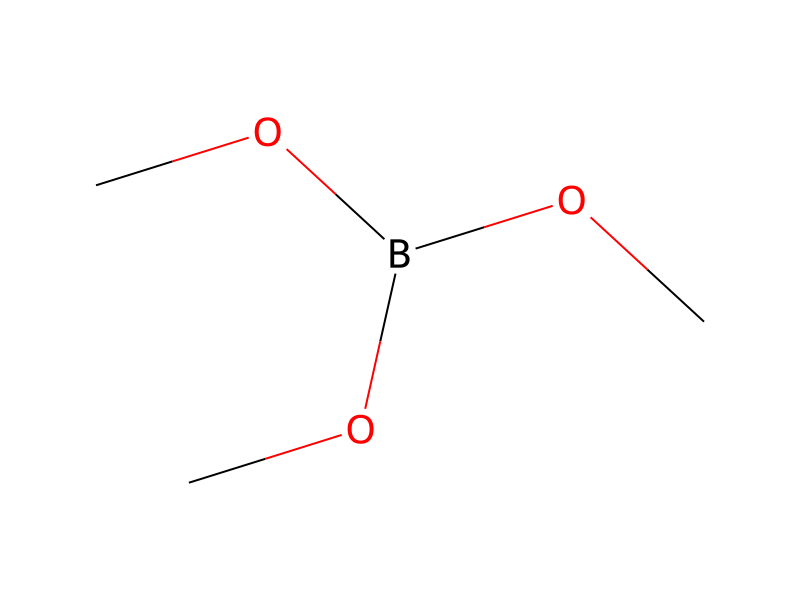
HCID 313Hydrochloric AcidHCID 8470Trimethyl borateHCID 62657Potassium Phosphate, TribasicHCID 1363741-Bromo-4-propylbenzeneHCID 5462224MagnesiumHCID 227090436-Bromo-2-(3,4-difluorophenyl)-1,2,3,4-tetrahydronaphthalene

Product 1

HCID 22709053
2-(3,4-Difluorophenyl)-6-(4-propylphenyl)-1,2,3,4-tetrahydronaphthalene

Reagents, catalysts & solvents 3

HCID 178418397HCID 178418397, compoundCatalystHCID 962WaterSolventHCID 6228DimethylformamideSolvent

Conditions

Temperature
80 °C

Procedure

A solution of 4.5 g of 4-propylphenylboric acid obtained by reaction of a Grignard reagent prepared from 4-propylbromobenzene and magnesium with trimethoxy borane and subsequent hydrolysis with dilute hydrochloric acid, 5.0 g of 6-bromo-2-(3,4-difluorophenyl)-1,2,3,4-tetrahydronaphthalene synthesized in the example 15, 0.3 g of tetrakis(triphenylphosphine)palladium(0), and 3.0 g of potassium phosphate in 30 ml of dimethyl formamide was stirred for 10 hours at 80° C. The mixture was subsequently cooled to room temperature, water was added, and the mixture was extracted with toluene. The organic layer was washed with a saturated aqueous solution of sodium chloride, dried over anhydrous sodium sulfate, and then concentrated. The residue was purified by silica gel column chromatography (hexane) and then recrystallized from ethanol, and yielded 4 g of 2-(3,4-difluorophenyl)-6-(4-propylphenyl)-1,2,3,4-tetrahydronaphthalene. This compound displayed a purity of 99.7% when analyzed by gas chromatography, and had a molecular weight of 362.

Workup

  1. temperatureThe mixture was subsequently cooled to room temperature
  2. extractionthe mixture was extracted with toluene
  3. washThe organic layer was washed with a saturated aqueous solution of sodium chloride
  4. dry with materialdried over anhydrous sodium sulfate
  5. concentrationconcentrated
  6. customThe residue was purified by silica gel column chromatography (hexane)
  7. customrecrystallized from ethanol

Sources & evidence

ORD record
ord-ae4514c24a244888b6d3cb4fd123196c
Source dataset
uspto-grants-2004_06
DOI
10.6084/m9.figshare.5104873.v1
Patent number
US06746728B1

Reaction notes

On this pageParticipantsConditionsProcedureWorkupSources & evidenceReaction notes




