HomeMCPWorkbenchSkills
HomeWorkbenchNotificationsMe
llms.txt · MCP GuidePrivacy Policy · Terms of Service · Supportv1.8.3
  1. Home
  2. /Reaction

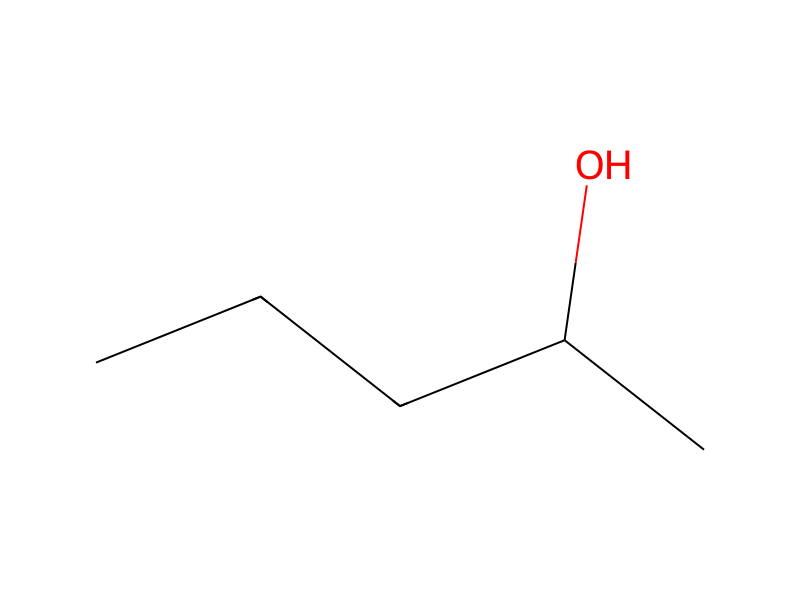
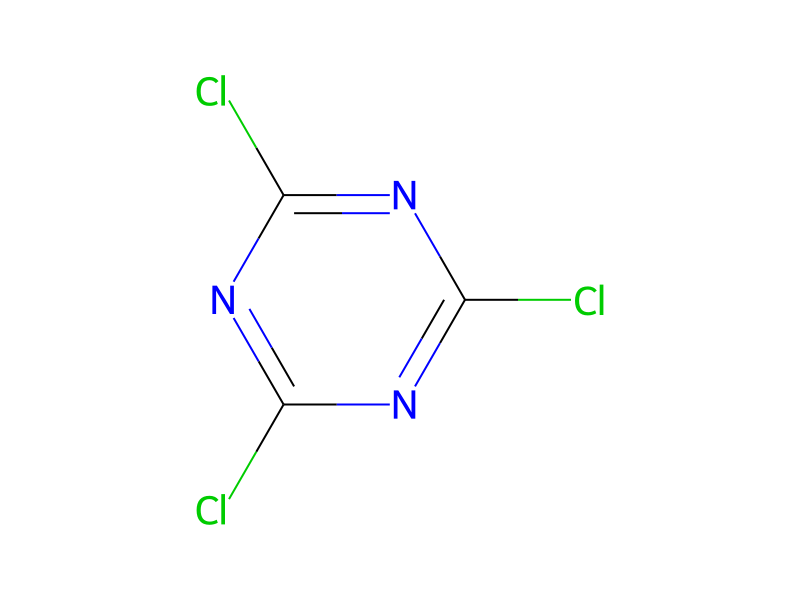
Hydrochloric Acid → Cyanuric chloride

HRID 354262
Print

Reaction equation

HRID 354262 reaction equation
[N:1]1[C:8]([Cl:9])=[N:7][C:5]([Cl:6])=[N:4][C:2]=1[Cl:3].[CH3:10][CH:11](O)[CH2:12][CH2:13][CH3:14].[S:16]([Cl:19])([Cl:18])=[O:17].[N:20]1[CH:25]=[CH:24][CH:23]=[CH:22][CH:21]=1.Cl>[Cl-].[Zn+2].[Cl-].Cl>[Cl:3][CH:11]([CH2:12][CH2:13][CH3:14])[CH3:10].[S:16]([Cl:19])([Cl:18])=[O:17].[N:20]1[CH:25]=[CH:24][CH:23]=[CH:22][CH:21]=1.[N:1]1[C:8]([Cl:9])=[N:7][C:5]([Cl:6])=[N:4][C:2]=1[Cl:3]

ParticipantsProcedureSources & evidenceReaction notes

Participants

8

Reactant 4

HCID 313Hydrochloric AcidHCID 7954Cyanuric chloride2×HCID 223862-PentanolHCID 85801105Thionyl chloride pyridine

Product 3

HCID 7954Cyanuric chlorideHCID 122452-Chloropentane
HCID 85801105
Thionyl chloride pyridine

Reagents, catalysts & solvents 1

HCID 21263579ZINC chloride hydrogen chlorideCatalyst

Procedure

Methods of preparing isomerically pure alkyl chlorides are known and described in the literature. S. R. Sandler, J. Org. Chem. 35, 3967 (1970), describes the conversion of primary, secondary and tertiary alcohols into alkyl chloride compounds by reacting the alcohols with an excess of cyanuric chloride under anhydrous conditions. Furthermore, on page 3968 of the text, the reaction of 2-pentanol with cyanuric chloride, zinc chloride/hydrogen chloride, thionyl chloride/pyridine and with hydrogen chloride is described. Isomerically pure 2-chloro-pentane is obtained in a yield of 48% in the reaction with thionyl chloride/pyridine and in a yield of 57% in the reaction with cyanuric chloride alone.

Sources & evidence

ORD record
ord-40a752ee8b0e448f9a739b393706efb6
Source dataset
uspto-grants-2004_06
DOI
10.6084/m9.figshare.5104873.v1
Patent number
US06756513B2

Reaction notes

On this pageParticipantsProcedureSources & evidenceReaction notes