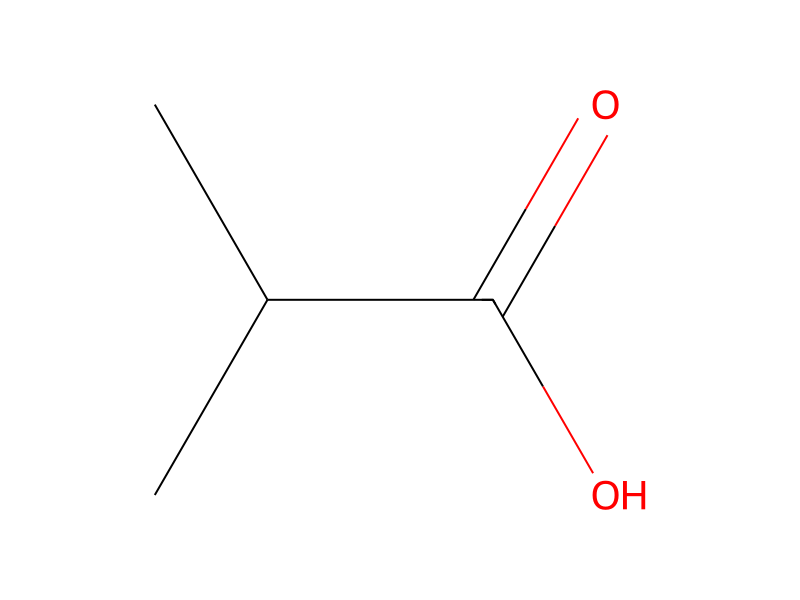
According to the method reported by George R. Newkome et al.: Synthesis, 1975, 517, lithium dianion of 2-methylpropionic acid was generated from lithium diisopropylamide in tetrahydrofuran under a nitrogen atmosphere. After the dropwise addition thereto of 18 g of 10-benzyloxydecanyl bromide at -20° C., the mixture was reacted at 45° C. for 2 hours. The reaction mixture was then mixed with cold dilute hydrochloric acid and extracted with ether, and the separated ether layer was washed with dilute hydrochloric acid and then with water. The separated layer was then dried over salt cake and evaporated to dryness to leave a crude oily material which in turn was recrystallized from petroleum ether, producing 8.4 g (yield 46%) of 12-benzyloxy-2,2-dimethyldodecanoic acid as colorless crystal. M.P. 53° to 55° C.