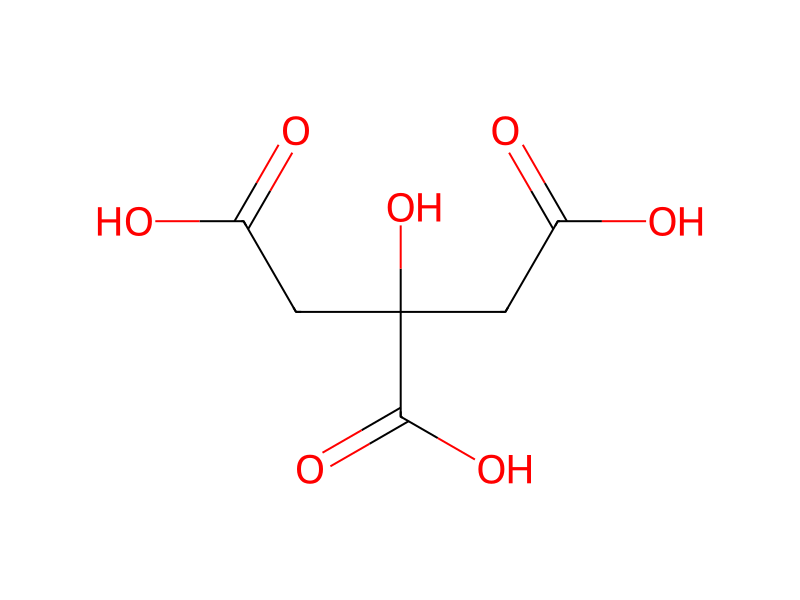
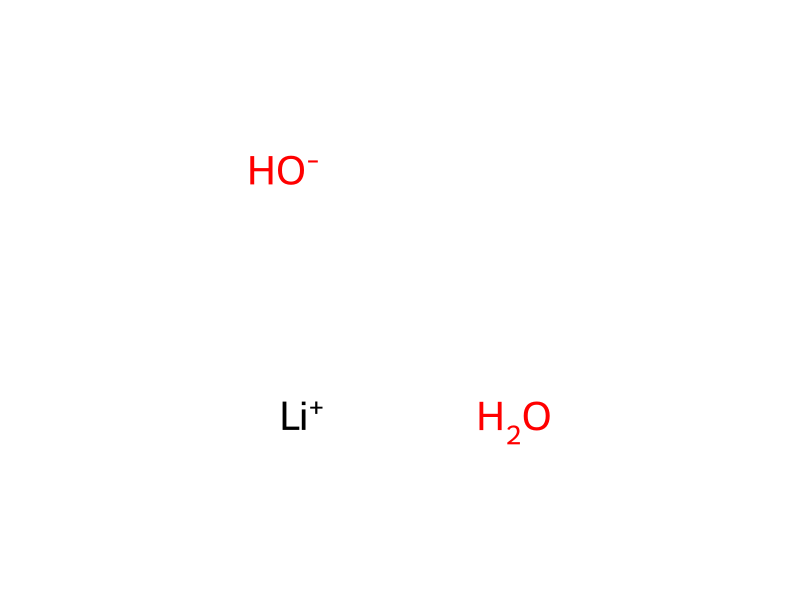
C[O:2][C:3]([C:5]1[NH:6][C:7]([C:10]2[C:19]3[C:14](=[CH:15][CH:16]=[CH:17][CH:18]=3)[CH:13]=[CH:12][CH:11]=2)=[CH:8][CH:9]=1)=O.O.[OH-].[Li+].C(O)(=O)CC(CC(O)=O)(C(O)=O)O.C(Cl)(=O)C([Cl:39])=O>O1CCOCC1.O.CN(C=O)C>[C:10]1([C:7]2[NH:6][C:5]([C:3]([Cl:39])=[O:2])=[CH:9][CH:8]=2)[C:19]2[C:14](=[CH:15][CH:16]=[CH:17][CH:18]=2)[CH:13]=[CH:12][CH:11]=15-Naphthalen-1-yl-1H-pyrrole-2-carboxylic acid methyl ester was diluted with 1:1 dioxane-water (30 ml), and treated with lithium hydroxide hydrate (24.4 mmol, 1.02 g), then heated to reflux for 15 min. The solution was acidified with 20% aqueous citric acid (30 ml), then extracted with ethyl acetate (75 ml). The organics were washed with brine (2×20 ml), then concentrated under reduced pressure. The residue was diluted with CH2Cl2, (30 ml), and treated with oxalyl chloride (24.0 mmol, 2.10 ml), and DMF (one drop), then heated to reflux for 30 min. The solution was concentrated under reduced pressure to provide 1.95 g of 5-naphthalen-1-yl-1H-pyrrole-2-carboxylic acid chloride.