HomeMCPWorkbenchSkills
HomeWorkbenchNotificationsMe
llms.txt · MCP GuidePrivacy Policy · Terms of Service · Supportv1.8.3
  1. Home
  2. /Reaction

Lactic Acid → (2R,3S,4R,5R)-2,3,4,5,6-pentahydroxyhexanal

HRID 399140
Print

Reaction equation

HRID 399140 reaction equation
C(=O)(O)O.[C:5]([OH:10])(=O)[C:6](O)=[O:7].C(O)(=O)C(CO)O.C(O)(=O)CO.C(O)(=O)C(C)O.[O:29]=[C:30](O)[C@@H:31]([C@@H:33]([CH2:35][OH:36])[OH:34])[OH:32]>>[O:29]=[CH:30][C@@H:31]([C@H:33]([C@@H:35]([C@@H:6]([CH2:5][OH:10])[OH:7])[OH:36])[OH:34])[OH:32]
ParticipantsProcedureSources & evidenceReaction notes

Participants

7

Reactant 6

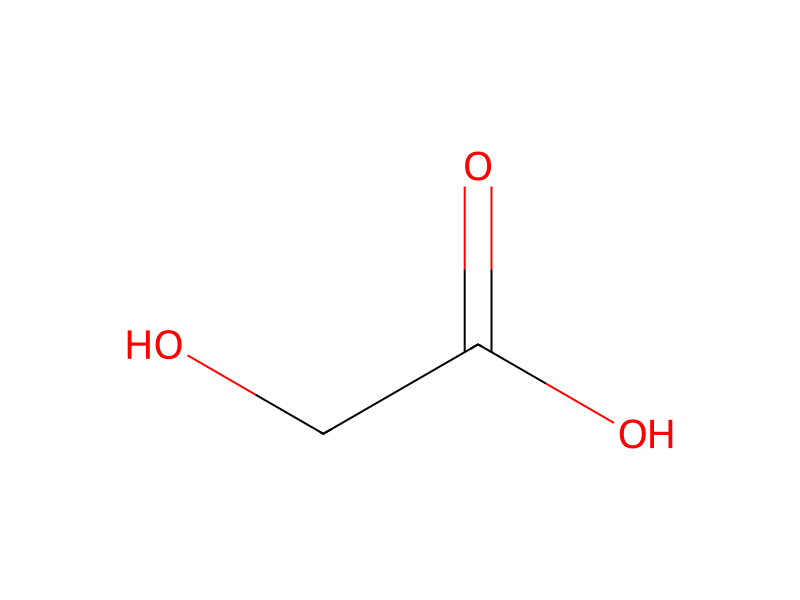
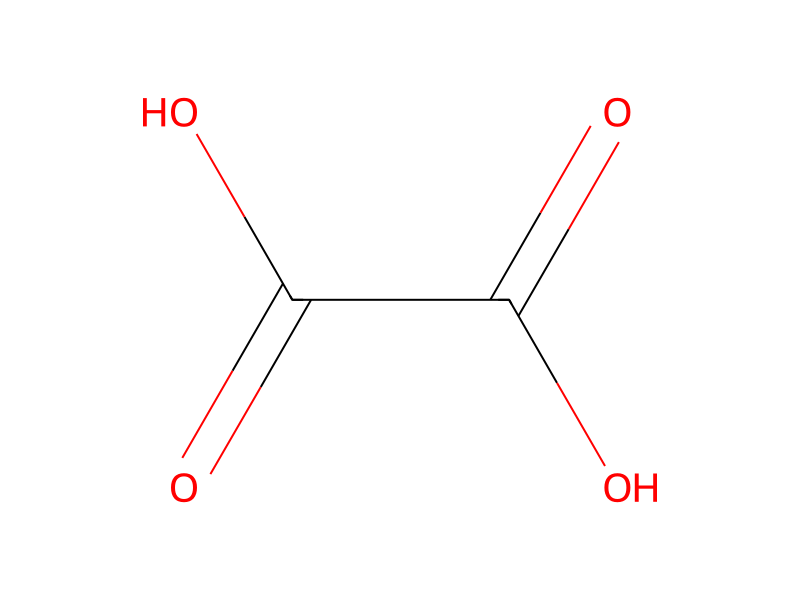
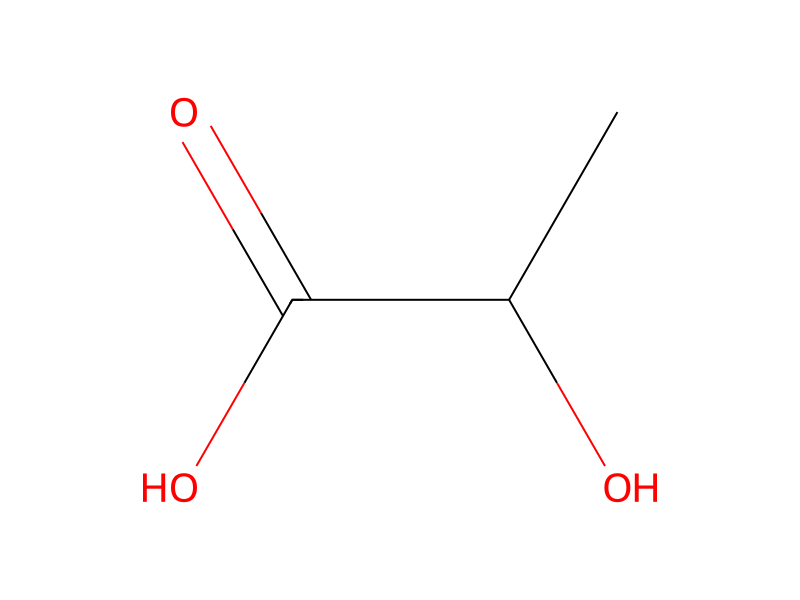
HCID 612Lactic AcidHCID 752Glyceric acidHCID 757Glycolic AcidHCID 767Carbonic AcidHCID 971Oxalic AcidHCID 2781043Erythronic acid

Product 1

HCID 107526
(2R,3S,4R,5R)-2,3,4,5,6-pentahydroxyhexanal
Yield 25%

Procedure

This type of alkaline oxidative degradation, which is 25 effective both on hemiacetal functions and on ketone functions, also entails the formation of by-products such as, in particular, carbonic acid, oxalic acid, glyceric acid, glycolic acid, lactic acid, erythronic acid and, of course, fornic acid, which are obtained in a molar yield of about 25% from glucose when the alkalinity conditions are such that they allow a 75% yield of arabinonate. Formic acid is always produced in yields close to 100% of the stoichiometry.

Sources & evidence

ORD record
ord-7c204958a2f44b7ea5aa2ea832301073
Source dataset
uspto-grants-1998_10
DOI
10.6084/m9.figshare.5104873.v1
Patent number
US05817780

Reaction notes

On this pageParticipantsProcedureSources & evidenceReaction notes