Reaction equation

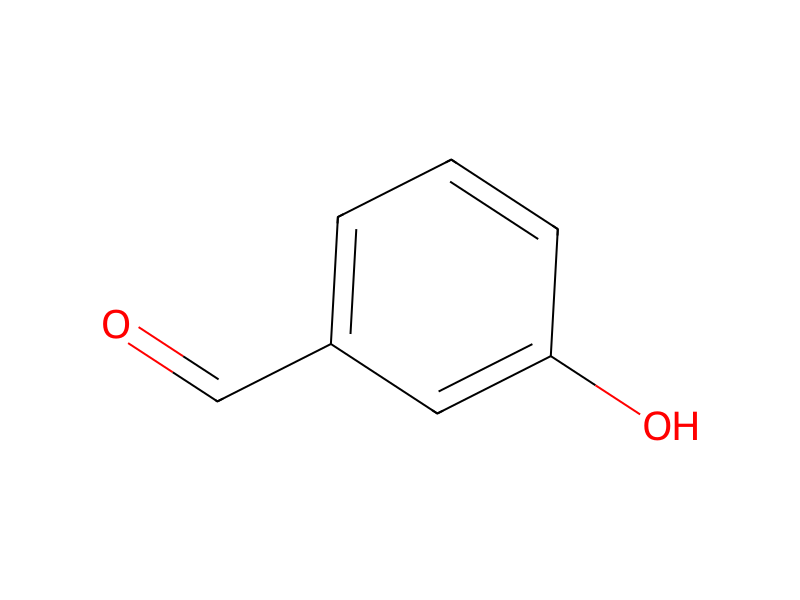
[C:1]1([NH:7][C:8]([N:10]2[CH2:15][CH2:14][NH:13][CH2:12][CH2:11]2)=[O:9])[CH:6]=[CH:5][CH:4]=[CH:3][CH:2]=1.[OH:16][C:17]1[CH:18]=[C:19]([CH:22]=[CH:23][CH:24]=1)[CH:20]=O.[BH-](OC(C)=O)(OC(C)=O)OC(C)=O.[Na+].[OH-].[Na+].Cl>C(Cl)Cl.C(O)(=O)C>[C:1]1([NH:7][C:8]([N:10]2[CH2:15][CH2:14][N:13]([CH2:20][C:19]3[CH:22]=[CH:23][CH:24]=[C:17]([OH:16])[CH:18]=3)[CH2:12][CH2:11]2)=[O:9])[CH:6]=[CH:5][CH:4]=[CH:3][CH:2]=1Participants
8
Reactant 5




Product 1

Reagents, catalysts & solvents 2


Procedure
To a solution of piperazine-1-carboxylic acid phenylamide (2.0 g) and 3-hydroxybenzaldehyde (3.0 g) in DCM (200 mL) was added acetic acid (1.1 mL) followed by portion-wise addition of NaB(OAc)3H (6.0 g). The reaction mixture was stirred overnight. A solution of 10% aq. NaOH (30 mL) was added until the pH of the aqueous phase was 11. A solution of 1 N HCl was then added until the pH of the aqueous phase was 6-7. The aqueous phase was extracted with DCM (200 mL). The combined organic layers were dried (MgSO4) and concentrated. Chromatography of the residue gave the title compound as a white solid (2.5 g).
Workup
- extractionThe aqueous phase was extracted with DCM (200 mL)
- dry with materialThe combined organic layers were dried (MgSO4)
- concentrationconcentrated
Sources & evidence
- ORD record
- ord-9a9aff686fef4838ae9773244815ad90
- Source dataset
- uspto-grants-2013_09
- Patent number
- US08530476B2
Linked notes
Loading…