Reaction equation

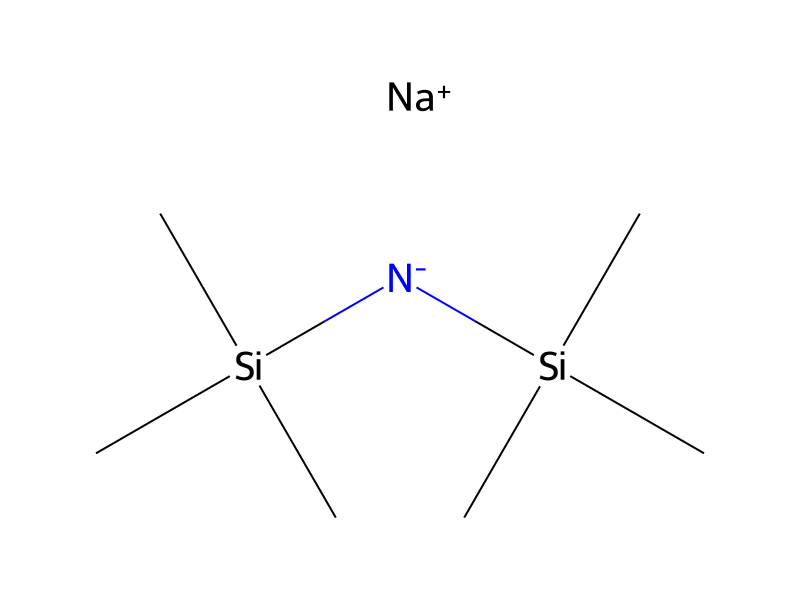
[CH3:1][C:2]1[NH:3][C:4]2[CH:5]=[CH:6][CH:7]=[C:8]([OH:11])[C:9]=2[CH:10]=1.C[Si]([N-][Si](C)(C)C)(C)C.[Na+].[CH2:22](OS(C1C=CC=C([N+]([O-])=O)C=1)(=O)=O)[C@@H:23]1[O:25][CH2:24]1.C(=O)([O-])[O-].[Na+].[Na+]>C(OCC)(=O)C.C1COCC1>[CH3:1][C:2]1[NH:3][C:4]2[C:9]([CH:10]=1)=[C:8]([O:11][CH2:22][C@@H:23]1[CH2:24][O:25]1)[CH:7]=[CH:6][CH:5]=2Participants
Reactant 4



Product 1

Reagents, catalysts & solvents 2


Procedure
2-Methyl-1H-indol-4-ol (0.58 g, 3.9 mmol) and THF (20 mL) were placed in a round bottom flask and stirred at room temperature. Sodium bis(trimethylsilyl) amide (3.9 mL, [1M] in THF) was then slowly added to the reaction mixture. After fifteen minutes of stirring at room temperature (R)-glycidyl-3-nitrobenzenesulfonate was added and the reaction mixture was allowed to stir overnight. Work up of the reaction mixture was carried out with saturated sodium carbonate solution and ethyl acetate. The organic layer was dried with sodium sulfate, filtered and the solvent was removed under reduced pressure to yield a crude oil. The crude oil was purified by flash chromatography (20% Ethyl acetate/heptane) to yield the title compound as a crystalline solid.
Workup
- additionwas added
- stirringto stir overnight
- dry with materialThe organic layer was dried with sodium sulfate
- filtrationfiltered
- customthe solvent was removed under reduced pressure
- customto yield a crude oil
- customThe crude oil was purified by flash chromatography (20% Ethyl acetate/heptane)
Sources & evidence
- ORD record
- ord-ebd93b289be04dc6a4baa50243d59af2
- Source dataset
- uspto-grants-2013_09
- Patent number
- US08530475B2
Linked notes
Loading…