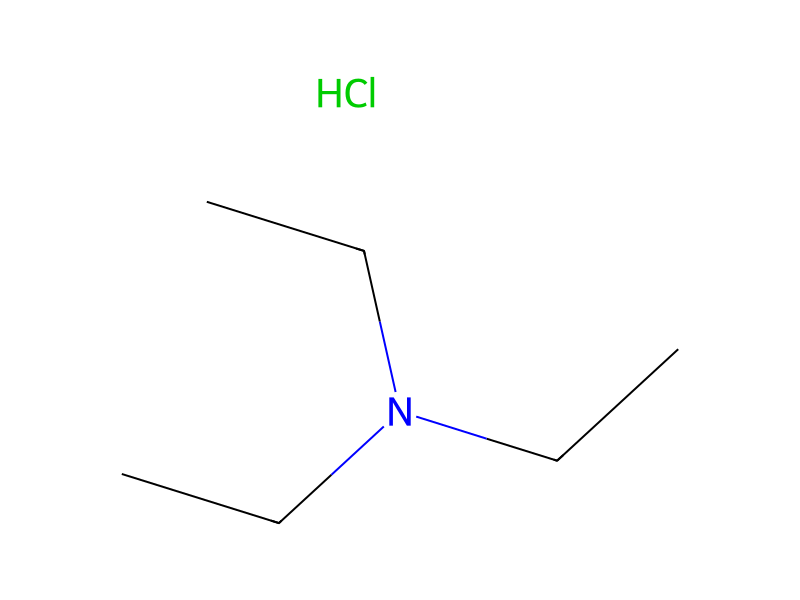
Cl.[O:2]1[CH:6]=[CH:5][CH:4]=[C:3]1[CH:7]([NH2:10])[C:8]#[N:9].C(N(CC)CC)C.[CH3:18][N:19]1[CH:23]=[C:22]([C:24](Cl)=[O:25])[C:21]([CH2:27][O:28][CH3:29])=[N:20]1.Cl.C(N(CC)CC)C>C(OCC)(=O)C.O>[CH3:18][N:19]1[CH:23]=[C:22]([C:24]([NH:10][CH:7]([C:3]2[O:2][CH:6]=[CH:5][CH:4]=2)[C:8]#[N:9])=[O:25])[C:21]([CH2:27][O:28][CH3:29])=[N:20]1In 100 ml of ethyl acetate was suspended 3.2 g of alpha-(2-furyl)-aminoacetonitrile hydrochloride, and with ice cooling, 4.5 g of triethylamine was added. Then, 3.8 g of 1-methyl-3-methoxymethylpyrazole-4-carboxylic acid chloride was gradually added at 0° to 5° C. with stirring. After the addition, the mixture was further stirred at room temperature for 2 hours. Water (50 ml) was added to dissolve the precipitated triethylamine hydrochloride. The ethyl acetate layer was separated, washed with water, dried over anhydrous sodium sulfate, and distilled under reduced pressure to remove the solvent. The residue was chromatographed on a silica gel column, and the column was eluted with hexane/ethyl acetate to give 4.3 g (yield 78.6%) of the desired alpha-(1-methyl-3-methoxymethylpyrazol-4-ylcarbonylamino)-(2-furyl)acetonitrile.