Reaction equation

[CH3:1][O:2][C:3](=[O:15])[C@H:4]([CH2:13][OH:14])[NH:5][C:6]([O:8][C:9]([CH3:12])([CH3:11])[CH3:10])=[O:7].CO[C:18](OC)([CH3:20])[CH3:19].C(=O)([O-])O.[Na+]>C1C=CC=CC=1.C1(C)C=CC(S([O-])(=O)=O)=CC=1.[NH+]1C=CC=CC=1>[CH3:19][C:18]1([CH3:20])[N:5]([C:6]([O:8][C:9]([CH3:12])([CH3:10])[CH3:11])=[O:7])[CH:4]([C:3]([O:2][CH3:1])=[O:15])[CH2:13][O:14]1Participants
Reactant 3



Product 1

Reagents, catalysts & solvents 2

Procedure
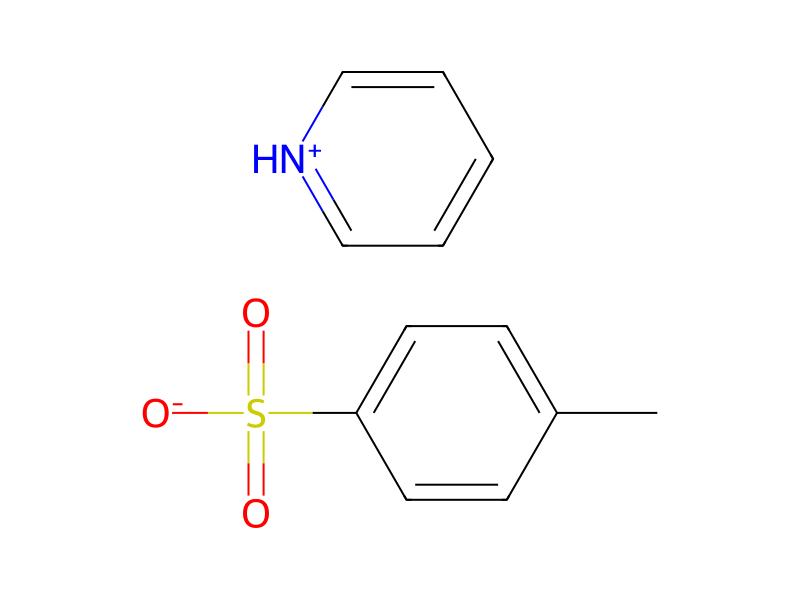
Commercially available N-tert-butoxycarbonyl-serine methyl ester (2.0 g, 9.122 mmol), 2,2-dimethoxypropane (1.9 g, 18.24 mmol), and pyridinium-p-toluene sulfonate (26 mg, 137 μmol) were dissolved in benzene (29 ml) and heated under reflux for 15 hours. A saturated sodium hydrogen carbonate solution was added to the reaction mixture, and the mixture was extracted with diethylether; the organic layer was subsequently washed with a saturated sodium chloride solution. The washed product was then dried over anhydrous magnesium sulfate and filtered, and the filtrate was subsequently concentrated. The resulting concentrate was purified by silica gel column chromatography to produce 3-tert-butyl 4-methyl 2,2-dimethyloxazolidine-3,4-dicarboxylate (2.78 g, 91% yield).
Workup
- temperatureheated
- temperatureunder reflux for 15 hours
- extractionthe mixture was extracted with diethylether
- washthe organic layer was subsequently washed with a saturated sodium chloride solution
- dry with materialThe washed product was then dried over anhydrous magnesium sulfate
- filtrationfiltered
- concentrationthe filtrate was subsequently concentrated
- concentrationThe resulting concentrate
- customwas purified by silica gel column chromatography
Sources & evidence
- ORD record
- ord-ecb94918a35e424aba8e681fc8c7aea2
- Source dataset
- uspto-grants-2012_01
- Patent number
- US08093395B2
Linked notes
Loading…