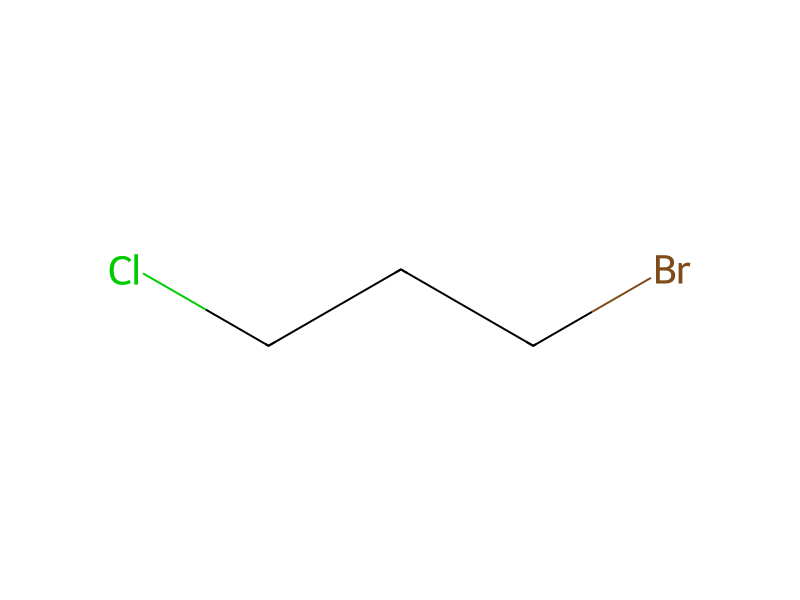
[H-].[Na+].[F:3][C:4]1[CH:9]=[CH:8][C:7]([C:10]2[C:18]3[C:13](=[N:14][CH:15]=[CH:16][N:17]=3)[NH:12][C:11]=2[C:19]2[CH:24]=[CH:23][N:22]=[CH:21][CH:20]=2)=[CH:6][CH:5]=1.Br[CH2:26][CH2:27][CH2:28][Cl:29].O>O1CCCC1>[Cl:29][CH2:28][CH2:27][CH2:26][N:17]1[CH2:16][CH:15]=[N:14][C:13]2[NH:12][C:11]([C:19]3[CH:24]=[CH:23][N:22]=[CH:21][CH:20]=3)=[C:10]([C:7]3[CH:8]=[CH:9][C:4]([F:3])=[CH:5][CH:6]=3)[C:18]1=2To a suspension of sodium hydride (1.03 g, 25.8 mmol, 60% in mineral oil) in dry tetrahydrofuran (20 ml) was slowly added 7-(4-fluorophenyl)-6-(pyridin-4-yl)-5H-pyrrolo[2,3-b]pyrazine (0.75 g, 2.58 mmol) followed by 1-bromo-3-chloropropane (4.05 g, 25.8 mmol). The reaction mixture was heated at 65° C. for 72 h. Water was added slowly to quench the excess sodium hydride and the organics were removed in vacuo. Water was added to the residue and the aqueous layer was extracted with ethyl acetate. The organic phase was washed with brine, dried over magnesium sulfate, filtered and concentrated in vacuo. The crude product was purified by flash chromatography on silica gel, elating with ethyl acetate, to give 1-(3-chloropropyl)-7-(4-fluorophenyl)-6-(pyridin-4-yl)-5H-pyrrolo[2,3-b]pyrazineas a solid (0.375 g).