Reaction equation

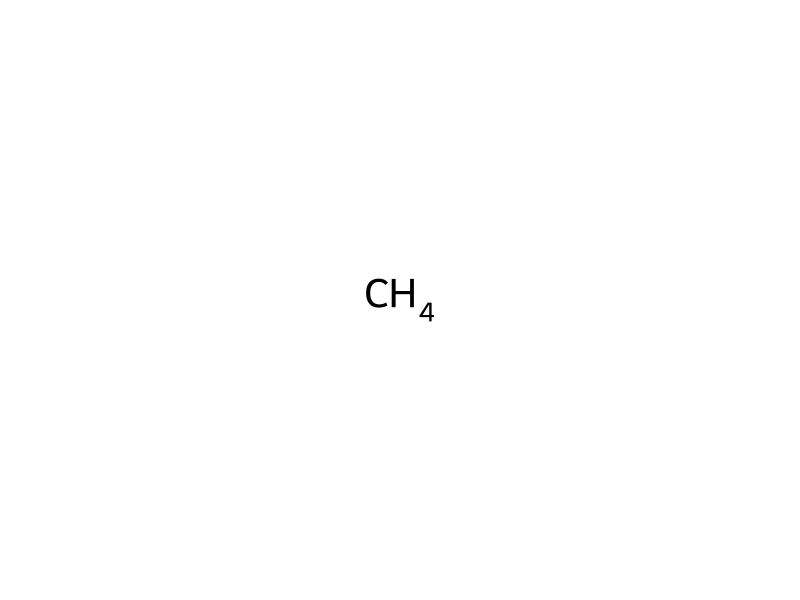
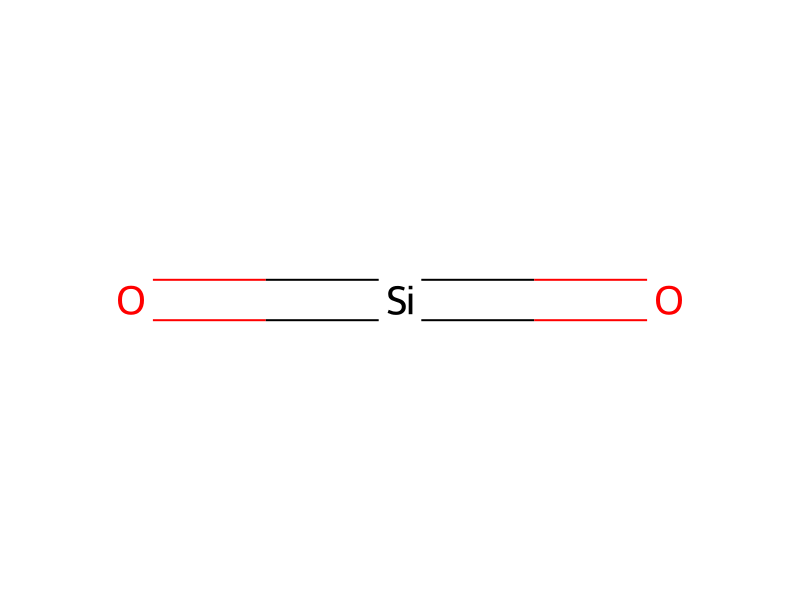
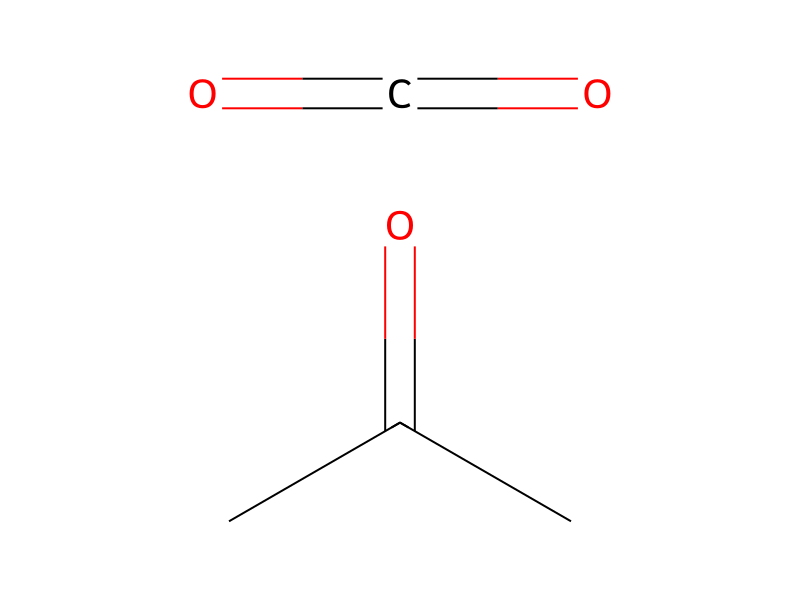
[NH2:1][C:2]1[CH:9]=[C:8]([NH2:10])[CH:7]=[CH:6][C:3]=1[CH:4]=[O:5].C(=O)=O.CC(C)=O.[F:18][C:19]([F:36])([F:35])[C:20]1[CH:25]=[CH:24][C:23]([C:26]2[C:27]([C:32](Cl)=[O:33])=[CH:28][CH:29]=[CH:30][CH:31]=2)=[CH:22][CH:21]=1.O=[Si]=O.C(NCC)C.C>C1COCC1.C(Cl)Cl>[NH2:1][C:2]1[CH:9]=[C:8]([NH:10][C:32]([C:27]2[C:26]([C:23]3[CH:24]=[CH:25][C:20]([C:19]([F:18])([F:35])[F:36])=[CH:21][CH:22]=3)=[CH:31][CH:30]=[CH:29][CH:28]=2)=[O:33])[CH:7]=[CH:6][C:3]=1[CH:4]=[O:5]Participants
Reactant 6



Product 1

Reagents, catalysts & solvents 2


Procedure
To a nitrogen purged 12 liter 3-neck flask fitted with a mechanical stirrer and temperature probe was added THF (4.3 L) and 2,4-diaminobenzaldehyde (50 g, 0.37 mol, 1 equiv). After cooling the solution to −70° C. (dry ice/acetone bath), poly(4-vinylpyridine), which can be obtained from Aldrich, Milwaukee, Wis., 25% cross-linked, (210 g) was added. A solution of 4′-trifluoromethyl-biphenyl-2-carbonyl chloride (105 g, 0.37 mol, 1 equiv) in THF (1 L) was added at such a rate as to maintain the temperature below −60° C. The light orange reaction mixture was allowed to warm to room temperature over 4 hours to give a dark red reaction mixture. (HPLC analysis showed an 18:1 mixture of mono- (retention time (rt)=4.8 min) to di- (rt=3.1 min) acylated products along with 5% residual starting material (rt=18.8 min), (Zorbax SIL (150 mm) from Agilent Technologies, Palo Alto, Calif. 2 mL/min 90:10 hexanes/isopropanol, 0.1% diethylamine, 250 nm, 40° C.). The reaction was quenched with 1 N NaOH (450 mL) and allowed to stir overnight at 25° C. The reaction mixture was filtered and the solids were washed with ethyl acetate (5×200 mL) and the combined organic layers were concentrated in vacuo to give a brown oil. The oil was dissolved in CH2Cl2 (1.5 L) and silica gel (EM Science, Gibbstown, N.J., 230-400 mesh or 0.04-0.06 mm particle size) (410 g) and Darco G-60® (10 g, BNL Fine Chemicals and Reagents) were added. The slurry was stirred for 15 minutes and filtered. The silica was washed with CH2Cl2 (5×200 mL). The combined organic layers were concentrated in vacuo and the methylene chloride was displaced with 1:1 hexanes/diisopropylether. The precipitated product was collected by suction filtration and dried in air to give 4′-trifluoromethyl-biphenyl-2-carboxylic acid (3-amino-4-formyl-phenyl)-amide (40 g, 30%, 43:1 mono:bis acylated by HPLC) as a light yellow solid.
Workup
- customTo a nitrogen purged 12 liter 3-neck flask
- customfitted with a mechanical stirrer
- addition, 25% cross-linked, (210 g) was added
- temperatureto maintain the temperature below −60° C
- customto give
- customa dark red reaction mixture
- additionan 18:1 mixture of mono- (retention time (rt)=4.8 min) to di- (rt=3.1 min)
- customThe reaction was quenched with 1 N NaOH (450 mL)
- filtrationThe reaction mixture was filtered
- washthe solids were washed with ethyl acetate (5×200 mL)
- concentrationthe combined organic layers were concentrated in vacuo
- customto give a brown oil
- stirringThe slurry was stirred for 15 minutes
- filtrationfiltered
- washThe silica was washed with CH2Cl2 (5×200 mL)
- concentrationThe combined organic layers were concentrated in vacuo
- filtrationThe precipitated product was collected by suction filtration
- customdried in air
Sources & evidence
- ORD record
- ord-91f6efb094d3441eb0715157a152ef4d
- Source dataset
- uspto-grants-2003_12
- Patent number
- US06657065B2
Linked notes
Loading…