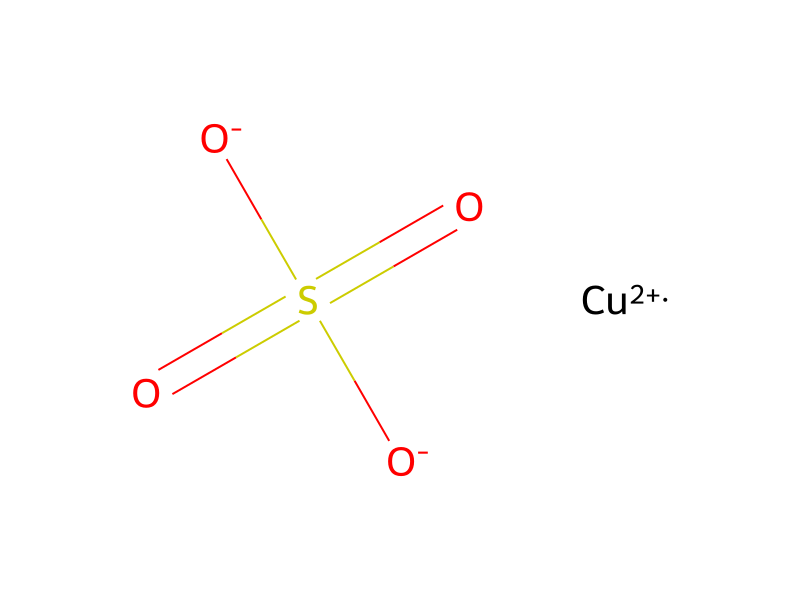
[S:1]1[CH:5]=[CH:4][CH:3]=[C:2]1[CH:6]=[CH:7][C:8]([N:10]1[CH2:15][CH2:14][CH2:13][CH:12]([C:16]([O:18][CH2:19][CH3:20])=[O:17])[CH2:11]1)=[O:9].O.NN.I([O-])(=O)(=O)=O.[Na+].S([O-])([O-])(=O)=S.[Na+].[Na+]>CS(C)=O.S([O-])([O-])(=O)=O.[Cu+2].C(O)(=O)C.O.ClCCl>[S:1]1[CH:5]=[CH:4][CH:3]=[C:2]1[CH2:6][CH2:7][C:8]([N:10]1[CH2:15][CH2:14][CH2:13][CH:12]([C:16]([O:18][CH2:19][CH3:20])=[O:17])[CH2:11]1)=[O:9]Ethyl 1-(3-(2-thienyl)acrylyl)-3-piperidinecarboxylate (404.1 mg; 1.38 mmol) was suspended in dimethyl sulfoxide (8 ml). The suspension was treated with hydrazine hydrate (1.7 ml; 54.7 mmol), saturated aqueous copper sulfate solution (6 drops), and glacial acetic acid (6 drops). This mixture was then stirred at ambient temperature and sodium periodate (1.47 g; 6.87 mmol) in water (20 ml) was added dropwise. After stirring an additional 1 hour, the mixture was taken up between aqueous 5% sodium thiosulfate and dichloromethane. The dichloromethane was separated, dried with anhydrous potassium carbonate, and evaporated at ambient temperature under reduced pressure. The crude product was purified by reverse phase chromatography on a C18 column, eluting with 30:70 to 40:60 acetonitrile:water as a step gradient, giving ethyl 1-(3-(2-thienyl)propionyl)-3-piperidinecarboxylate (138 mg) as a colorless oil. MS m/z (positive ion) 296 (MH+; 100).