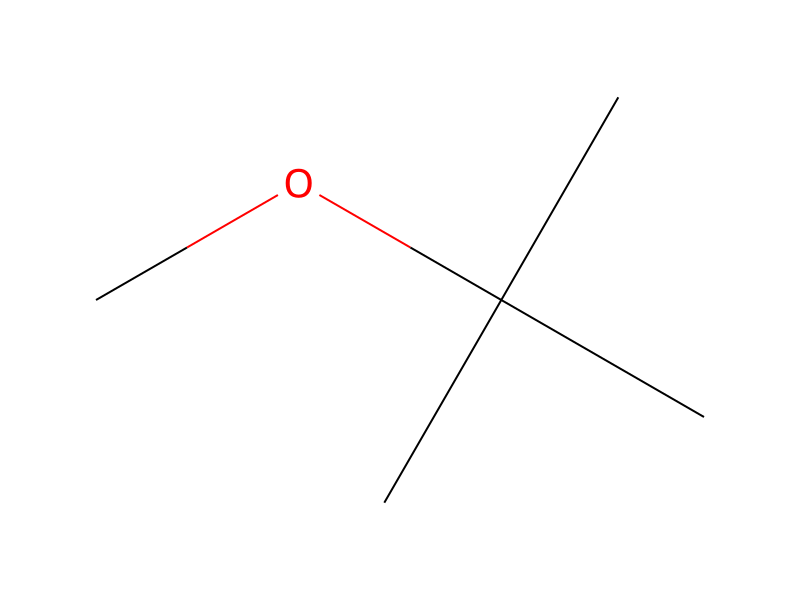
[ClH:1].[C:2]([NH:5][C:6]1[C:7]([F:26])=[CH:8][C:9](N)=[C:10]([CH:24]=1)[O:11][C:12]1[CH:23]=[CH:22][CH:21]=[CH:20][C:13]=1[O:14][CH2:15][C:16]([O:18][CH3:19])=[O:17])(=[O:4])[CH3:3].N([O-])=O.[Na+]>[Cu]Cl.O.COC(C)(C)C>[C:2]([NH:5][C:6]1[C:7]([F:26])=[CH:8][C:9]([Cl:1])=[C:10]([CH:24]=1)[O:11][C:12]1[CH:23]=[CH:22][CH:21]=[CH:20][C:13]=1[O:14][CH2:15][C:16]([O:18][CH3:19])=[O:17])(=[O:4])[CH3:3]To 30 ml of conc. hydrochloric acid was added 2.0 g of methyl [2-(5-acetylamino-2-amino-4-fluorophenoxy)phenoxy]acetate, and the mixture was stirred for 1 hour at room temperature. Thereafter, a mixture of 0.42 g of sodium nitrite and 3 ml of water was added under ice cool. The mixture was stirred for 1 hour under the same condition, then, 40 ml of t-butyl methyl ether was added, then, 0.85 g of copper (I) chloride was added. The mixture was stirred for 30 minutes, then, water was added to this, and extracted with t-butyl methyl ether, and the organic layer was washed with water, dried over magnesium sulfate and concentrated, and the resulted residue was purified by column chromatography (eluent: hexane/ethyl acetate=2/1) to obtain 0.52 g of methyl [2-(5-acetylamino-2-chloro-4-fluorophenoxy)phenoxy]acetate.