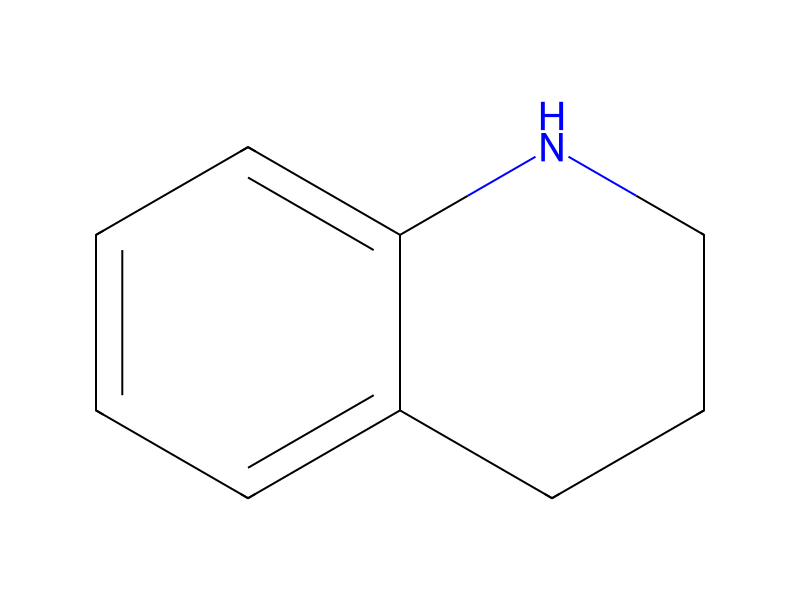
[NH:1]1[C:10]2[C:5](=[CH:6][CH:7]=[CH:8][CH:9]=2)[CH2:4][CH2:3][CH2:2]1.[C:11]([O:15]C)(=[O:14])[CH:12]=[CH2:13].[Li+].[OH-].Cl>C(O)(=O)C.CO>[N:1]1([CH2:13][CH2:12][C:11]([OH:15])=[O:14])[C:10]2[C:5](=[CH:6][CH:7]=[CH:8][CH:9]=2)[CH2:4][CH2:3][CH2:2]1A mixture of 1,2,3,4-tetrahydroquinoline (3.0 g, 22.5 mmol) and methyl acrylate (3.9 g, 45.0 mmol) in acetic acid (15 mL) was refluxed for 16 hours. Upon cooling, volatiles were removed in the rotary evaporator and the residue obtained was co-evaporated with methanol (3×20 mL) and then dissolved in methanol (15 mL). To this mixture an aqueous solution of LiOH (1.9 g, 45 mmol) was added and it was stirred at room temperature for 2 hours. Reaction mixture was acidified with conc. HCl to pH ˜3 and extracted with ethyl acetate. The organic layer was washed twice with water and brine, dried over MgSO4 and evaporated to dryness to yield 2.91 g of Compound 7 as a dark brown viscous liquid. This product was used without any further purification. The structure of Compound 7 is given below: