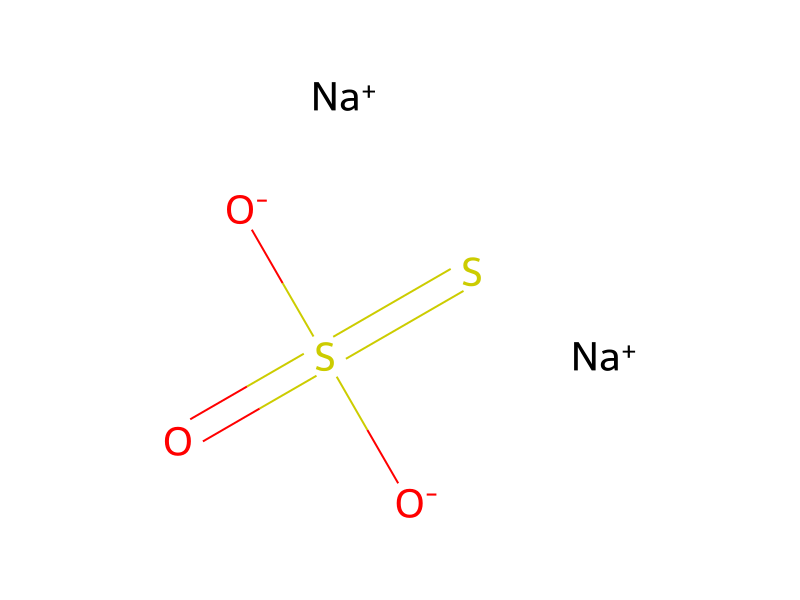
[CH3:1][C:2]1[O:6][C:5]([C:7]2[CH:12]=[CH:11][N:10]=[C:9]([NH:13][C:14]3[CH:19]=[CH:18][C:17](SC)=[CH:16][CH:15]=3)[CH:8]=2)=[N:4][N:3]=1.Cl[C:23]1C=CC=C(C(OO)=O)C=1.[S:33]([O-:37])([O-])(=[O:35])=S.[Na+].[Na+]>CN(C)C(=O)C>[CH3:1][C:2]1[O:6][C:5]([C:7]2[CH:12]=[CH:11][N:10]=[C:9]([NH:13][C:14]3[CH:15]=[CH:16][C:17]([S:33]([CH3:23])(=[O:37])=[O:35])=[CH:18][CH:19]=3)[CH:8]=2)=[N:4][N:3]=1To a solution of 4-(5-methyl-1,3,4-oxadiazol-2-yl)-N-[4-(methylthio)phenyl]pyridin-2-amine (441 mg, 1.48 mmol) in N,N-dimethylacetamide (5 mL) was added m-chloroperbenzoic acid (70%, 531 mg, 2.22 mmol) at room temperature, and the resulting mixture was stirred for 1 hr. A saturated aqueous sodium thiosulfate solution was added to the reaction mixture, and the mixture was stirred for 15 min and extracted with ethyl acetate. The organic layer was washed with water and saturated brine, dried over anhydrous magnesium sulfate and concentrated under reduced pressure. The residue was purified by basic silica gel column chromatography (ethyl acetate) and recrystallized from hexane/tetrahydrofuran to give the title compound (213 mg, yield 43%) as colorless crystals.