HomeMCPSkillsWorkbenchOpenChem
HomeWorkbenchNotificationsMe
llms.txt · skill.md · MCP GuidePrivacy Policy · Terms of Service · Supportv1.8.5
  1. Home
  2. /Reaction

Sodium hydride → N-[5-(4-Benzyl-piperazin-1-yl)-pyridin-3-yl]-4-isopropyl-benzenesulfonamide

HRID 454875
Print

Reaction equation

[CH2:1]([N:8]1[CH2:13][CH2:12][N:11]([C:14]2[CH:15]=[N:16][CH:17]=[C:18](Br)[CH:19]=2)[CH2:10][CH2:9]1)[C:2]1[CH:7]=[CH:6][CH:5]=[CH:4][CH:3]=1.C(P(C(C)(C)C)C(C)(C)C)(C)(C)C.[CH:34]([C:37]1[CH:42]=[CH:41][C:40]([S:43]([NH2:46])(=[O:45])=[O:44])=[CH:39][CH:38]=1)([CH3:36])[CH3:35].[H-].[Na+]>FC(C1C=CC=CC=1)(F)F.C1C=CC(/C=C/C(/C=C/C2C=CC=CC=2)=O)=CC=1.C1C=CC(/C=C/C(/C=C/C2C=CC=CC=2)=O)=CC=1.C1C=CC(/C=C/C(/C=C/C2C=CC=CC=2)=O)=CC=1.[Pd].[Pd]>[CH2:1]([N:8]1[CH2:13][CH2:12][N:11]([C:14]2[CH:19]=[C:18]([NH:46][S:43]([C:40]3[CH:41]=[CH:42][C:37]([CH:34]([CH3:36])[CH3:35])=[CH:38][CH:39]=3)(=[O:44])=[O:45])[CH:17]=[N:16][CH:15]=2)[CH2:10][CH2:9]1)[C:2]1[CH:7]=[CH:6][CH:5]=[CH:4][CH:3]=1
ParticipantsProcedureWorkupSources & evidenceReaction notes

Participants

7

Reactant 4

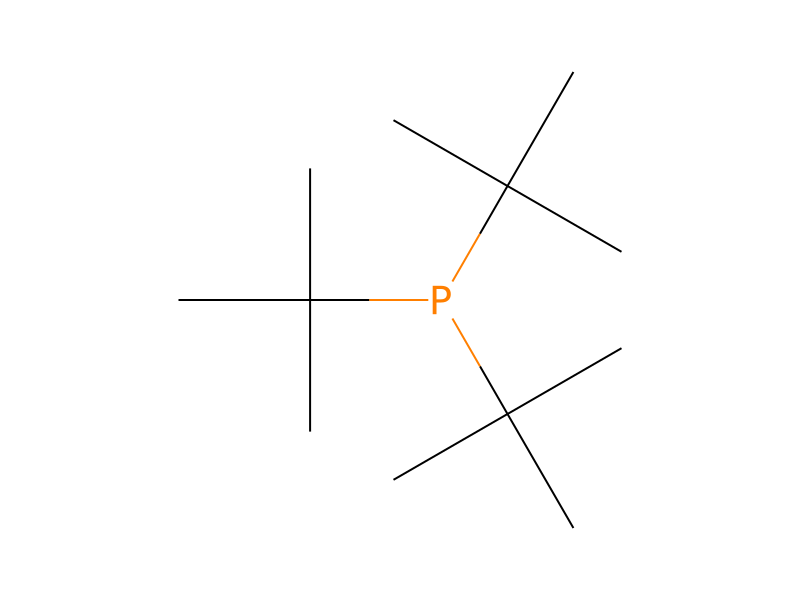
HCID 24758Sodium hydrideHCID 83681Tris(1,1-dimethylethyl)phosphineHCID 2323144-(1-Methylethyl)benzenesulfonamideHCID 534853151-Benzyl-4-(5-bromopyridin-3-yl)piperazine

Product 1

HCID 68710069N-[5-(4-Benzyl-piperazin-1-yl)-pyridin-3-yl]-4-isopropyl-benzenesulfonamideYield 25.2%

Reagents, catalysts & solvents

2
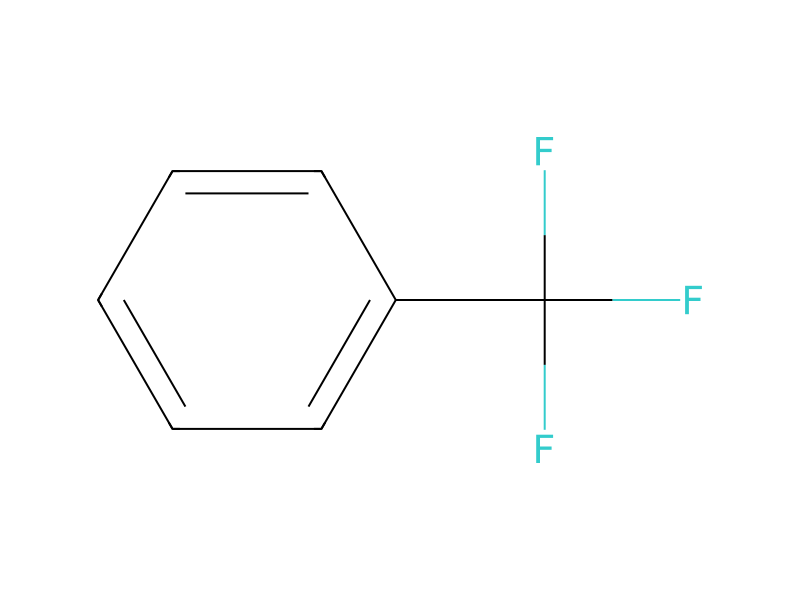
HCID 9811564Bis(dibenzylideneacetone)palladiumCatalystHCID 7368(Trifluoromethyl)benzeneSolvent2×

Procedure

To a solution of 1-benzyl-4-(5-bromo-pyridin-3-yl)-piperazine (320 mg, 0.88 mmol) in 5 ml trifluoromethylbenzene under an argon atmosphere was added Pd2(dba)3 (40 mg, 0.04 mmol), and tri-tert-butyl-phosphane (27 mg, 0.13 mmol). To a solution of 4-isopropylbenzene sulfonamide (175 mg, 0.88 mol) in 10 ml trifluoromethyl benzene in a separate flask was added sodium hydride (50%, 42 mg, 0.88 mmol) at 50° C. This second solution was added after cooling to room temperature to the first solution. The mixture was heated in a microwave instrument (CEM) at 150° C. for 1 h. After evaporation of the solvent under reduced pressure the mixture was diluted with 50 ml of water and was extracted with 25 ml of ethyl acetate. The combined organic layers were extracted with aqueous HCl solution. The pH of the aqueous solution was adjusted to pH 9 with aqueous NaOH. After extraction with ethyl acetate, the combined organic phases were dried with magnesium sulfate, filtered and the solvent was evaporated under reduced pressure. The so obtained oil was purified via silica gel chromatography with cyclohexane/ethyl acetate (3:7) as eluent, yielding 100 mg of the product.

Workup

  1. additionThis second solution was added
  2. temperatureThe mixture was heated in a microwave instrument (CEM) at 150° C. for 1 h
  3. customAfter evaporation of the solvent under reduced pressure the mixture
  4. additionwas diluted with 50 ml of water
  5. extractionwas extracted with 25 ml of ethyl acetate
  6. extractionThe combined organic layers were extracted with aqueous HCl solution
  7. extractionAfter extraction with ethyl acetate
  8. dry with materialthe combined organic phases were dried with magnesium sulfate
  9. filtrationfiltered
  10. customthe solvent was evaporated under reduced pressure
  11. customThe so obtained oil
  12. customwas purified via silica gel chromatography with cyclohexane/ethyl acetate (3:7) as eluent

Sources & evidence

ORD record
ord-e1943753bc184296ab7f8a400b83b0df
Source dataset
uspto-grants-2013_07
DOI
10.6084/m9.figshare.5104873.v1
Patent number
US08497273B2

Reaction notes

On this pageParticipantsProcedureWorkupSources & evidenceReaction notes