Reaction equation

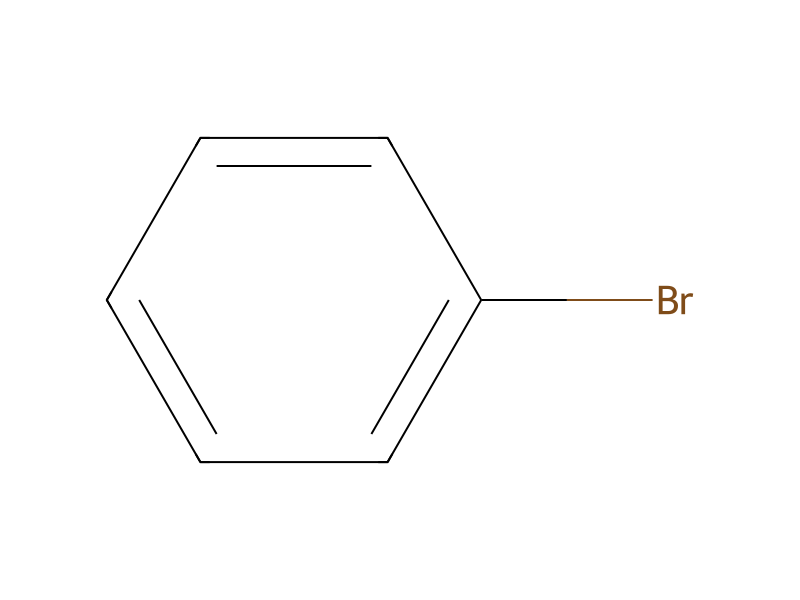
[C:1]1(C=CC(O)=C[CH:3]=1)[OH:2].NC1C=CC=CC=1.[CH:16]1[C:21]([NH2:22])=[CH:20][CH:19]=[C:18]([OH:23])[CH:17]=1.BrC1C=CC=CC=1.[NH2:31][C:32]1[CH:37]=[CH:36][C:35]([OH:38])=[C:34]([N+:39]([O-:41])=[O:40])[CH:33]=1>[Cl-].[Zn+2].[Cl-]>[NH2:22][C:21]1[CH:20]=[CH:19][C:18]([OH:23])=[CH:17][C:16]=1[N+:39]([O-:41])=[O:40].[C:1]([O:38][C:35]1[CH:36]=[CH:37][C:32]([NH2:31])=[CH:33][CH:34]=1)(=[O:2])[CH3:3]Participants
8






Procedure
4-Hydroxydiphenylamine (m.p. 70° C., b.p. 330° C.) is formed by heating hydroquinone with aniline and zinc chloride at 180°-185° C. (G. Heller, Ann., 1919, 418, p. 265; A. Calm and M. Phillip, Chem. Ber., 1883, 16, p. 1799; 1884, 17, p. 2431), or by reaction of p-aminophenol with bromobenzene and cuprous iodide (German Pat. No. 187,870). 4-Amino-2-nitrophenol (dark red plates, m.p. 128° C.) can be prepared by the procedure described in A. Girard, Bull. Soc. Chim. Fr., 1924, 35, p. 773) and 4-Amino-3-nitrophenol (m.p. 154° C.), can be formed from the nitration of 4-aminophenyl acetate as described in (Girard, loc. cit.);
Sources & evidence
- ORD record
- ord-5ce37c7a0e9845948ecf472ec53ff17c
- Source dataset
- uspto-grants-1985_05
- Patent number
- US04517005
Linked notes
Loading…