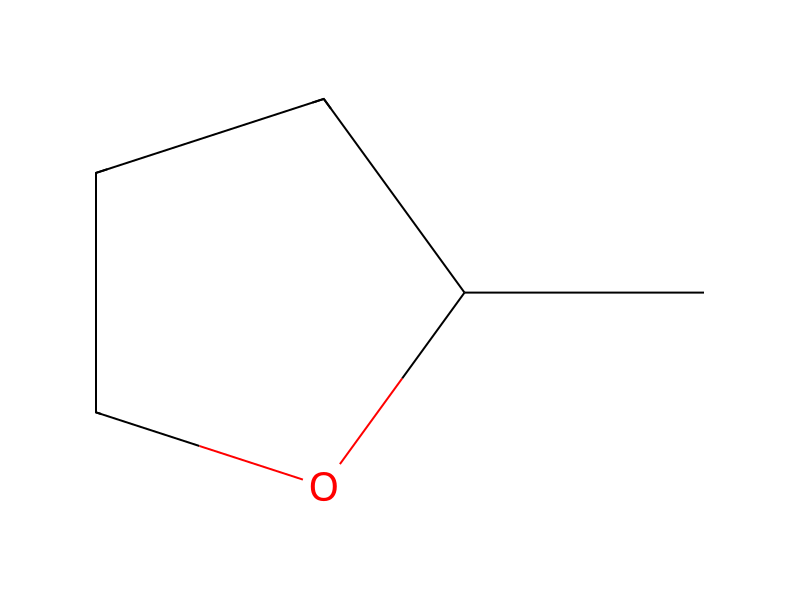
2,4-Dimethoxybenzaldehyde (771.37 g, 4.64 moles) was added to a suspension of 2-amino-1,3,4-thiadiazole (391.2 g, 3.87 moles) in xylene (5.87 L) and heated to reflux. Dean-Stark apparatus was used to remove the water and the reaction was stirred overnight. After cooling to room temperature, the reaction was further cooled to 5° C. and diluted with 2-methyltetrahydrofuran (2.93 L). Sodium tetrahydroborate (73.17 g, 1.93 moles) was added as a single portion. Methanol (782.8 mL) was then added slowly over 30 minutes, maintaining the temperature below 15° C. After a further 30 minutes water (1 L) was added followed by saturated aqueous sodium hydrogencarbonate solution (1 L) and the mixture stirred at room temperature overnight. The biphasic mixture was diluted with 2-methyltetrahydrofuran and heated to 43° C. to aid dissolution. The layers were separated and the organic layer washed with water (3 L) before concentrating in vacuo. The resulting solid was slurried in heptanes (2.5 L), homogenised, filtered, washed with tert-butylmethyl ether and dried to afford 715 g of the title compound.